12 Simple Ways to Create a Warm, Inviting Space
A cozy home isn't necessarily a perfectly decorated home.
It's the kind of place where you want to take your shoes off, settle onto the sofa, and stay a little longer. The lighting feels soft. The floors feel comfortable underfoot. There are familiar objects around you, and nothing feels too precious to actually live with.
So, how do you make a home feel cozy?
You don't need a complete renovation or an entirely new set of furniture. Small changes in lighting, texture, color, rugs, textiles, and personal details can make even a simple space feel noticeably warmer and more inviting.
Here are 12 practical ways to create a cozy home that still feels natural, comfortable, and lived-in.
1. Start with Warm, Layered Lighting
Lighting can completely change how a room feels.
Bright overhead lighting is useful when you're cleaning or working, but relying on a single ceiling light can make a room feel flat or overly functional.
Instead, create several smaller sources of light throughout the room.
Try combining:
- Table lamps
- Floor lamps
- Wall sconces
- Reading lamps
- Pendant lights
- Candles
Think about where light is actually needed.
A floor lamp beside the sofa creates a comfortable reading corner. A small lamp on a console makes an entryway feel welcoming in the evening. Bedside lamps create a much softer atmosphere than a bright ceiling fixture.
For spaces intended for relaxing, warmer light temperatures generally create a softer visual atmosphere than cool, blue-toned lighting.
The goal isn't necessarily to make the room darker.
It's to make the lighting feel layered rather than uniform.
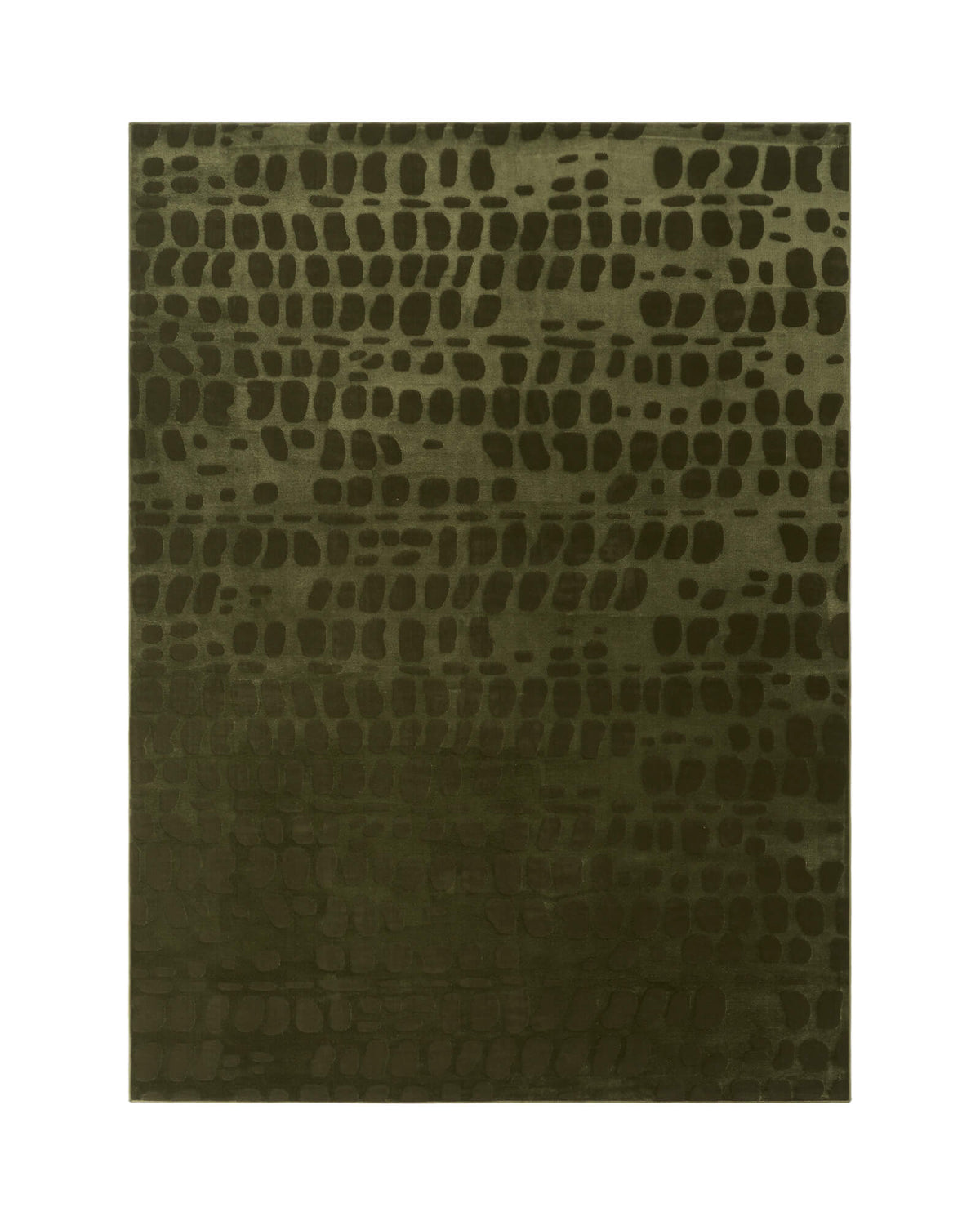
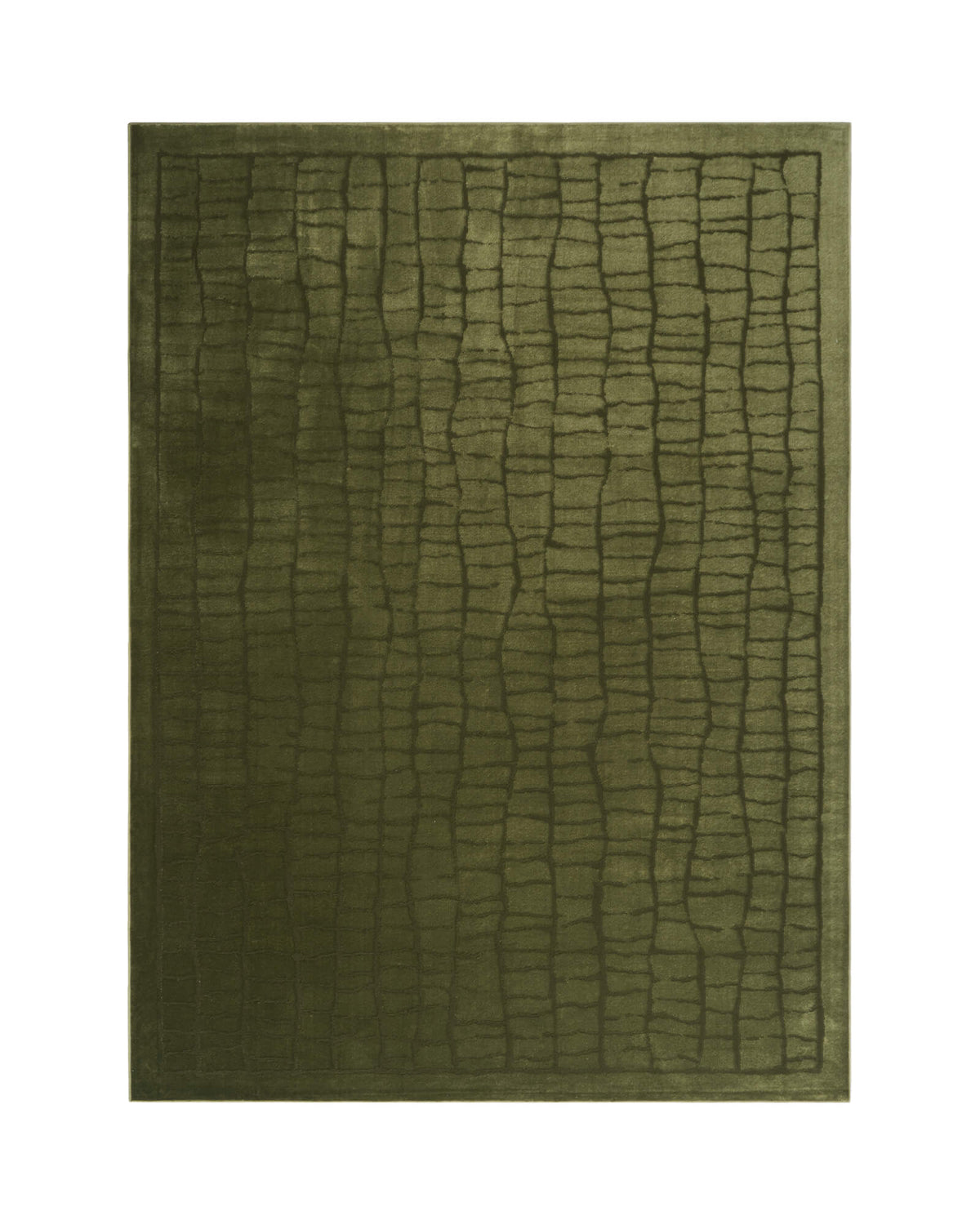
2. Add a Rug to Soften the Room

One of the easiest ways to make a room feel warmer is to start with the floor.
Hard surfaces such as wood, tile, and laminate can make a space feel visually open and clean, but large areas of exposed flooring can sometimes feel a little unfinished.
An area rug adds:
- Texture
- Softness underfoot
- Color
- Pattern
- Visual warmth
- Definition between different areas
More importantly, it helps visually connect your furniture.
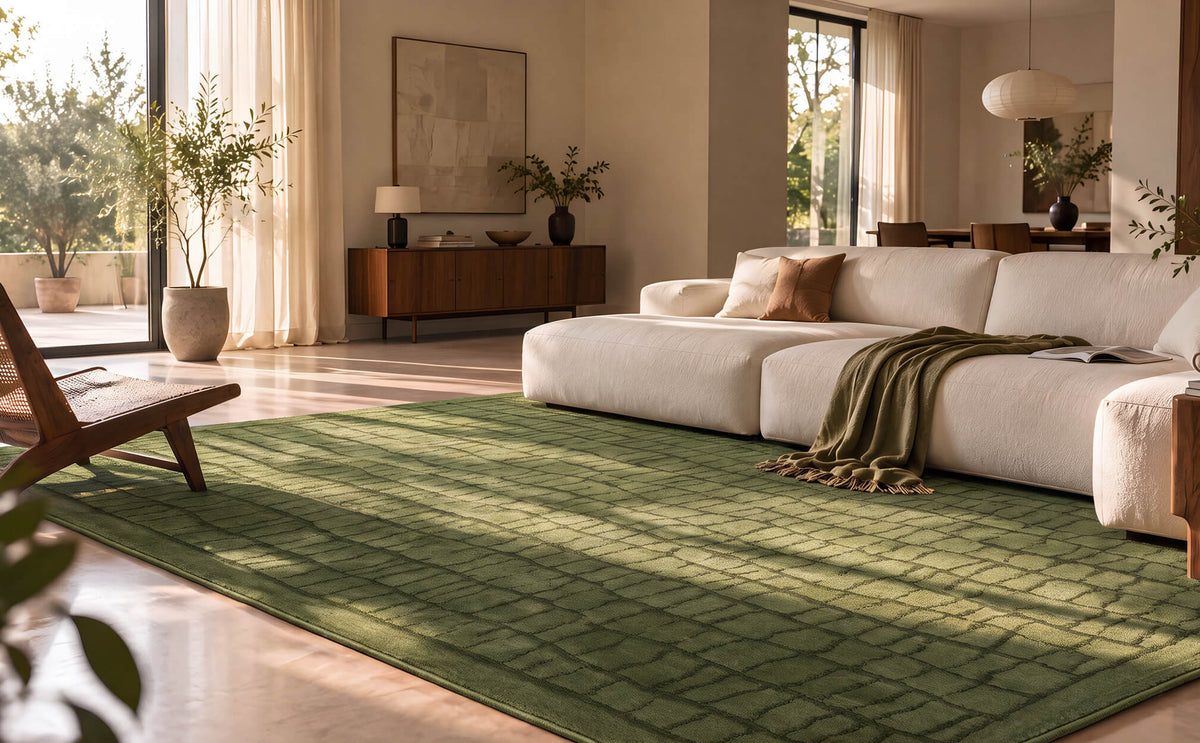
In a living room, for example, a properly sized rug can bring the sofa, coffee table, and accent chairs together into one comfortable conversation area.
Instead of looking like separate pieces of furniture sitting in the same room, they begin to feel like one intentional space.
Choose the Right Rug Size
A rug that's too small can have the opposite effect, making furniture appear disconnected.
For many living rooms, larger sizes such as 8' x 10' or 9' x 12' provide enough coverage to visually anchor the main seating arrangement.
The exact size depends on your room and furniture layout, so always measure before choosing.
Think About Texture, Not Just Color
A cozy rug doesn't have to be extremely fluffy.
Low-pile rugs can still create warmth through:
- Woven texture
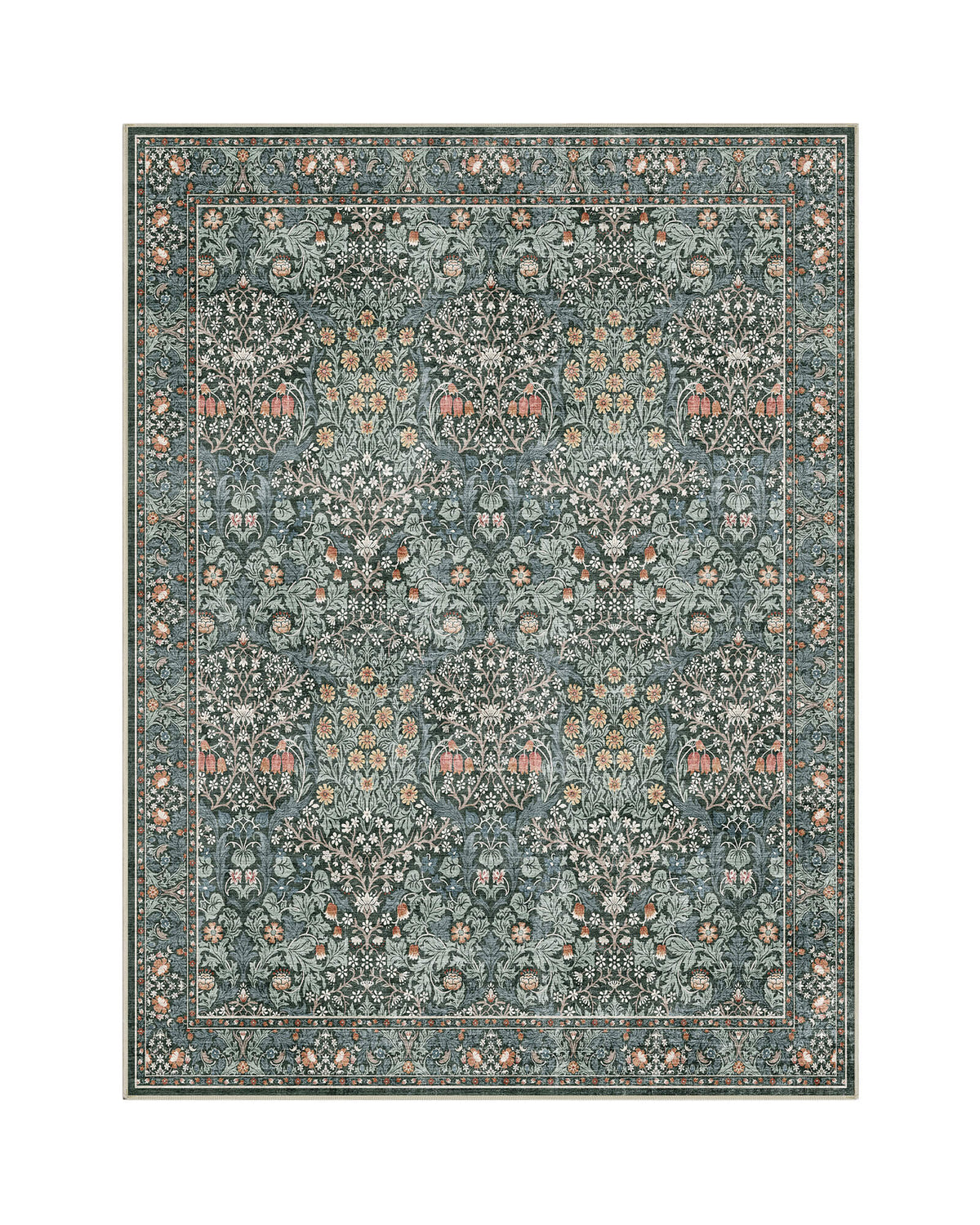
- Vintage-inspired patterns
- Soft neutral palettes
- Floral details
- Subtle distressed effects
- Organic lines
For busy households, a washable low-pile rug can offer that visual softness while remaining easier to maintain.
👉 Explore MontVooRugs Area Rugs
3. Layer Different Textures
If a room looks technically complete but still doesn't feel cozy, it may be missing texture.
Imagine a living room containing:
- A smooth sofa
- A smooth coffee table
- Bare walls
- Bare flooring
Even if every individual piece is attractive, the room can feel visually flat.
Now introduce:
- A woven rug
- Linen curtains
- A chunky throw
- Soft pillows
- A wood side table
- A ceramic lamp
Suddenly, there's more for the eye to explore.
The secret is variation.
Try combining smooth and textured, soft and structured, matte and slightly reflective surfaces.
You don't need every item to be fuzzy or plush. In fact, too much of one texture can make a room feel heavy.
A cozy home usually comes from layers.
4. Choose Warm, Comfortable Colors
You don't have to paint every wall beige to create a cozy home.
Warmth can come from many different palettes.
Consider colors such as:
- Warm white
- Cream
- Beige
- Camel
- Taupe
- Terracotta
- Muted green
- Warm brown
- Dusty rose
- Soft gold
Even traditionally cool colors can feel inviting when they're muted or paired with warmer materials.
For example, a muted green wall combined with wood furniture, a vintage-inspired rug, and cream textiles can feel extremely warm and relaxed.
Use the 60-30-10 Idea as a Starting Point
If choosing colors feels overwhelming, a simple starting point is:
60% dominant color + 30% secondary color + 10% accent color
You don't need to follow this mathematically.
It's simply a useful reminder that not every color needs equal visual weight.
Let one palette dominate, support it with another, and use stronger colors in smaller doses.
5. Bring in Natural Materials
Natural materials often help a room feel less sterile.
Consider introducing:
- Wood
- Wool
- Cotton
- Linen
- Rattan
- Jute
- Stone
- Ceramic
You don't need all of them.
Even something as simple as a wooden coffee table beside a fabric sofa can add warmth because the two materials contrast naturally.
Small imperfections can help too.
Wood grain, woven fibers, handmade ceramics, and natural textiles don't always look perfectly uniform—and that's often part of what makes a room feel relaxed rather than showroom-perfect.
6. Make Your Sofa Look Lived-In
A sofa is usually one of the largest objects in a living room, so it has a major influence on how comfortable the space feels.
Instead of filling it with identical decorative pillows, try combining a few different elements.
For example:
- Two larger pillows
- One smaller accent pillow
- A casually folded throw blanket
Mix textures rather than adding endless patterns.
A linen pillow, knitted throw, and soft cotton cushion can create more depth than five pillows made from exactly the same fabric.
And don't worry about making everything perfectly symmetrical.
A little visual looseness often makes a home feel more approachable.
7. Use Curtains to Soften Windows
Bare windows can make a room feel sharper and more exposed.
Curtains add another layer of fabric and help soften the transition between walls and windows.
For a more relaxed appearance, consider hanging curtains:
- Higher than the window frame
- Wide enough to frame the window
- Long enough to reach or nearly reach the floor
This can also visually make the windows—and sometimes the entire room—feel taller.
Lightweight curtains create an airy feeling, while heavier fabrics can make bedrooms and living rooms feel more enclosed and intimate.
8. Create Small Cozy Corners
You don't need an entire room dedicated to relaxation.
Sometimes one small corner is enough.
Look around your home for an underused area:
- Beside a window
- At the end of a hallway
- In a bedroom corner
- Next to a bookshelf
- Near the fireplace
Then give that area a purpose.
A simple reading corner might include:
Chair + small table + lamp + rug + blanket
That's it.
A previously empty corner suddenly becomes somewhere you actually want to spend time.
This is particularly useful in large or open-plan homes, where creating smaller visual zones can make the overall space feel more intimate.
9. Make the Entryway Feel Welcoming
Cozy doesn't begin in the living room.
It begins when you walk through the door.
Even a small entryway can feel intentional with a few simple additions:
- A runner or small rug
- A warm lamp
- A mirror
- A small bench
- A basket for everyday items
- A few personal decorative objects
An entryway rug is particularly useful because it helps visually separate the entrance from the rest of the home while adding softness to a high-traffic area.
For an entryway, prioritize a rug that is:
- Low pile
- Easy to clean
- Stable underfoot
- Appropriately sized for door clearance
A washable rug can be particularly practical for busy indoor entrances.
10. Don't Forget the Stairs

Staircases are often treated purely as functional spaces.
But in many homes, they're highly visible from the entryway or living room.
Adding stair treads can soften the look of hard stairs while also helping:
- Improve traction
- Reduce footstep noise
- Add comfort underfoot
- Protect the stair surface
- Create visual continuity between floors
For homes with hardwood or marble stairs, this can make the transition between spaces feel less stark.
MontVooRugs offers both adhesive and non-adhesive stair tread options for different household needs.
👉 Explore MontVooRugs Stair Treads
11. Add Things That Actually Mean Something to You
A cozy home shouldn't look like it was copied directly from a catalog.
Personal objects make a room feel inhabited.
That might include:
- Family photographs
- Books you've actually read
- Travel souvenirs
- Children's artwork
- Vintage finds
- Ceramics
- Records
- Artwork you genuinely enjoy
- Objects inherited from family
You don't need to display everything you own.
Choose a few pieces that have meaning and give them room to breathe.
The goal is not clutter.
It's personality.
A perfectly styled room can still feel impersonal. A slightly imperfect room filled with things connected to your life often feels much warmer.
12. Design for Everyday Life, Not Just Appearance
Perhaps the most important part of creating a cozy home is making it comfortable to actually live in.
Think about your routines.
Where do you put your coffee?
Where does the dog sleep?
Where do you take your shoes off?
Where do you read?
Where does everyone naturally gather?
Then design around those behaviors.
If everyone loves sitting in one corner of the living room, add a lamp and side table there.
If your dog always lies beside the sofa, leave enough comfortable floor space.
If children regularly play in the living room, choose materials that don't make you nervous every time something spills.
Washable rugs, durable textiles, storage baskets, and easy-to-clean surfaces may not sound as romantic as candles and throw blankets—but practicality is part of comfort.
A home can't feel truly cozy if you're constantly worried about damaging it.
How to Make a Small Home Feel Cozy
Small homes already have one advantage: their scale can naturally create a sense of intimacy.
The challenge is adding warmth without creating visual clutter.
Focus on:
- One appropriately sized rug rather than several tiny rugs
- Warm layered lighting
- A restrained color palette
- Soft curtains
- A few tactile materials
- Furniture with practical storage
- Meaningful décor rather than lots of small accessories
And don't assume a small room requires a tiny rug.
In many cases, a larger rug can make a small space feel more cohesive because it visually connects the furniture rather than dividing the floor into smaller sections.
How to Make a Large Home Feel Cozy
Large rooms present the opposite challenge.
Too much empty space can make them feel less intimate.
Instead of trying to fill every empty corner, divide the room into smaller functional zones.
A large living room might contain:
Main seating area + reading corner + console area
Rugs are particularly useful here because they create visual boundaries without adding walls.
You can also use:
- Floor lamps
- Larger artwork
- Curtains
- Furniture groupings
- Plants
- Side tables
to make the room feel layered rather than empty.
How to Make a Home Cozy Without Spending Much Money
Creating warmth doesn't require buying everything new.
Start with what you already own.
Try:
- Moving furniture closer together
- Rearranging your rug
- Moving lamps instead of using overhead lighting
- Bringing blankets out of storage
- Rearranging books
- Displaying meaningful photographs
- Moving décor between rooms
- Decluttering visually busy surfaces
- Adding inexpensive pillow covers
- Bringing natural branches or greenery indoors
Sometimes the biggest improvement comes from rearranging rather than purchasing.
What Makes a Home Feel Uncozy?
If something feels off, look for the opposite of everything we've discussed.
A room may feel less inviting when it has:
- Only one harsh overhead light
- Too much exposed hard flooring
- Furniture pushed far apart
- A rug that's too small
- Very little texture
- Bare windows
- No personal objects
- Excessive clutter
- Too many matching pieces
- Furniture arranged for appearance rather than conversation
You don't necessarily need to fix all of these things.
Find the one or two elements making the biggest difference and start there.
FAQs About Making a Home Cozy
How can I make my house feel more cozy?
Start by adding warm layered lighting, soft textiles, an appropriately sized rug, curtains, natural materials, and personal objects. Furniture placement also matters—group seating so the room feels comfortable for conversation rather than leaving everything disconnected.
How can I make my home cozy without spending money?
Rearrange furniture, use lamps you already own, bring out stored blankets, display personal photographs, reorganize books, declutter surfaces, and move decorative objects between rooms. A different layout can dramatically change how a space feels without requiring new purchases.
What colors make a home feel cozy?
Warm whites, creams, beige, warm browns, muted greens, terracotta, taupe, and other earthy tones can create an inviting atmosphere. However, lighting, texture, and material are just as important as color.
Do rugs make a room feel warmer?
Visually, yes. Rugs soften large areas of hard flooring, introduce texture and color, and help connect furniture into a defined zone. They can also make hard floors feel more comfortable underfoot.
What kind of rug makes a living room cozy?
Look for a rug that's large enough to anchor the main furniture arrangement and complements the room's palette. Vintage-inspired, floral, woven, textured, and warm neutral designs can all work depending on your decorating style.
How do I make a modern home feel cozy?
Balance clean modern lines with warmer elements such as textured rugs, wood, soft curtains, layered lighting, pillows, blankets, plants, and personal artwork. You don't need to abandon minimalism—adding texture is often enough.
How do I make a minimalist home cozy?
Use fewer objects but introduce more variation in material. Warm wood, linen, wool, textured rugs, ceramic pieces, and soft lighting can add depth without creating clutter.
Can a home be cozy without looking cluttered?
Absolutely. Cozy and cluttered aren't the same thing. Focus on texture, lighting, comfortable furniture placement, and a limited number of meaningful objects rather than filling every surface.
How can I make my bedroom feel cozier?
Start with softer lighting, comfortable bedding, curtains, and a rug that extends beyond the bed. Add a few tactile layers such as pillows or a throw while keeping the overall palette calm.
How can I make my entryway more welcoming?
Use a low-pile rug or runner, warm lighting, a mirror, a small bench or console, and simple storage for everyday items. Keep the space functional so it feels inviting rather than crowded.
Final Thoughts
A cozy home isn't created by following one decorating style.
It comes from how the space feels when you're actually living in it.
Soft light in the evening.
A rug beneath your feet.
A blanket within reach.
A comfortable place for the dog to lie down.
Books you've read, photographs you care about, and furniture arranged for people rather than pictures.
Start with the elements that have the greatest impact—lighting, rugs, texture, color, and furniture placement—then slowly add the details that make the space feel like yours.
Your home doesn't have to look perfect.
It just needs to make you want to stay.
Related Articles
- How to Position a Rug in a Living Room
- What Size Area Rug for a Living Room?
- How to Match Rugs with Floor Colors
- What Type of Rug Is Best for an Entryway?
Bring More Warmth Home with MontVooRugs
A rug can be one of the simplest ways to soften a room, connect your furniture, and make everyday spaces feel more inviting.
Explore washable area rugs in vintage, floral, abstract, and modern designs for comfortable real-home living.
👉 Shop Area Rugs:
https://montvoorugs.com/collections/area-rug