Designing a nursery usually starts with the big things: the crib, changing table, dresser, wall color, and storage.
But there's another element that can completely change how the room feels—and how comfortably you use it every day.
The rug.
A nursery rug can soften hard flooring, create a comfortable surface for everyday moments, bring the room's colors together, and eventually provide a welcoming place for tummy time and play as your little one grows.
But how do you choose a rug for a nursery?
For most families, a good nursery rug should be soft, low pile, easy to clean, stable underfoot, appropriately sized, and made with materials you feel comfortable bringing into your home.
Here's what to consider before choosing one.
1. Start with Material
Material is one of the first things to consider when choosing a nursery rug because it influences:
-
Feel
-
Cleaning
-
Maintenance
-
Texture
-
Weight
-
Everyday practicality
There's no single material that's right for every nursery.
Your choice depends on your priorities.
Washable Synthetic Rugs
For busy family spaces, washable synthetic rugs can be one of the easiest options to live with.
They're particularly practical when you expect:
-
Spills
-
Milk or formula accidents
-
Snacks
-
Pet hair
-
Everyday dust
-
Messy play later on
MontVooRugs washable area rugs feature a 100% recycled polyester top and are designed for machine-washable care.
That means you don't have to treat the nursery floor like a space where nothing can ever be spilled.
Wool Rugs
Wool is a natural fiber known for its rich texture and substantial feel.
It can create a beautiful, warm foundation for a nursery, particularly if natural materials are important to your decorating style.
However, new wool rugs can shed some loose fibers, and wool generally requires different care from a machine-washable synthetic rug.
Consider how much maintenance you're comfortable with before choosing.
Natural-Fiber Rugs
Materials such as jute can add beautiful organic texture, but texture matters in a nursery.
A rug that feels attractive in a living room may feel rougher when you're sitting, kneeling, or playing directly on the floor.
For a nursery, always consider how the surface actually feels against hands, knees, and bare feet—not just how it looks.
2. Look for a Soft, Comfortable Surface
Nurseries involve more time on the floor than you might initially expect.
You may find yourself:
-
Sitting beside the crib
-
Playing on the floor
-
Reading together
-
Changing clothes
-
Picking up toys
-
Practicing tummy time
-
Crawling around with your child
As your baby grows, the rug may eventually become part of the everyday play space.
That's why underfoot feel matters.
A nursery rug should feel comfortable enough for both adults and children to spend time on the floor.
But soft doesn't necessarily mean extremely fluffy.
A smooth, low-pile rug can still feel comfortable while offering several practical advantages.
3. Consider a Low-Pile Rug
It can be tempting to choose the fluffiest rug possible for a nursery.
But high pile isn't always the most practical choice.
Low-pile rugs are generally easier to:
-
Vacuum
-
Maintain
-
Move furniture across
-
Keep free of crumbs and small debris
They're also easier to incorporate into a room that will change as your baby grows.
Think beyond the newborn stage.
Before long, the nursery may include:
-
Toys
-
Books
-
Storage baskets
-
Ride-on toys
-
Play furniture
A lower-profile surface can make everyday maintenance simpler.
MontVooRugs washable area rugs have a profile of approximately 0.3 inches, providing softness without the deep pile of a shag-style rug.
4. Prioritize Easy Cleaning
If there's one room where easy maintenance matters, it's a nursery.
Accidents happen.
A bottle spills. Something falls from the changing table. Muddy pet paws wander in. Later, snacks somehow find their way everywhere.
For that reason, consider how you'll clean the rug before choosing it.
Ask:
-
Can I vacuum it easily?
-
Can I spot clean small spills?
-
Is the rug machine washable?
-
How difficult will deeper cleaning be?
-
Will the material suit the way our household actually lives?
A machine-washable rug can be especially convenient for families who want the option of deeper cleaning at home.
MontVooRugs washable area rugs are designed to be machine washable, helping simplify everyday care in busy family spaces.
5. Check for Rug Stability
A nursery may seem quiet now, but it won't stay that way forever.
As children grow, they begin:
-
Crawling
-
Standing
-
Walking
-
Running
-
Playing
Adults will also regularly move around the room, sometimes while carrying a baby.
A rug that constantly slides, bunches, or develops curled edges can become frustrating.
Look for a rug with a non-slip backing or use an appropriate rug pad when needed.
MontVooRugs washable area rugs feature an integrated non-slip backing designed to help the rug stay more stable on appropriate floor surfaces.
However, no rug should be treated as a substitute for normal household safety precautions. Periodically check that the rug remains flat and properly positioned.
6. Look at Product Certifications

When shopping for nursery textiles, many parents also want to know more about how textile products have been tested.
One certification you may encounter is OEKO-TEX® STANDARD 100.
Products carrying this certification have had their textile components tested against requirements for harmful substances.
MontVooRugs washable area rugs are OEKO-TEX® certified, giving families another piece of product information to consider when choosing textiles for everyday living spaces.
Certification shouldn't replace checking the complete product specifications, but it can be a useful consideration when comparing nursery rugs.
7. Choose the Right Nursery Rug Size
Size has a major influence on how finished a nursery feels.
A rug that's too small may look disconnected from the furniture, while a properly sized rug can visually bring the crib, dresser, chair, and other pieces together.
Before ordering, measure:
-
The room
-
Crib placement
-
Dresser
-
Rocking chair or glider
-
Door clearance
-
Any open play area
Then decide what you want the rug to accomplish.
5' x 7' Nursery Rug
A 5' x 7' rug can work well in:
-
Smaller nurseries
-
Apartments
-
Rooms where you want to define one particular zone
For example, it might sit near the crib and glider without covering most of the room.
6' x 9' Nursery Rug
A 6' x 9' rug provides more coverage and can help connect several pieces of nursery furniture.
It's a useful middle ground when a 5' x 7' feels too small but the room doesn't need a very large rug.
8' x 10' Nursery Rug
For larger nurseries, an 8' x 10' rug can create a more unified appearance.
Rather than looking like an accessory beside the furniture, the rug becomes a foundation for much of the room.
9' x 12' Nursery Rug
In a spacious nursery, a 9' x 12' rug can provide broad floor coverage and create a particularly soft, cohesive foundation.
Always measure your actual room and furniture arrangement rather than choosing based on room labels alone.
8. Decide Where the Rug Should Go
There's no single correct nursery rug placement.
It depends on your room layout.
Under the Crib
A larger rug can extend underneath the crib and into the surrounding room.
This works particularly well when you want the rug to visually anchor most of the furniture.
In the Center of the Room
If you have a smaller rug, positioning it in an open area can create a defined play zone.
This can be particularly useful as your baby grows.
Under the Glider or Reading Area
A smaller rug can also help define a comfortable reading or feeding corner.
If you place furniture on the rug, make sure the arrangement remains stable and the rug doesn't interfere with how the chair moves.
9. Think About Furniture Placement
A nursery rug should work with the furniture rather than fight against it.
Before choosing a size, think about where the rug edges will fall.
Avoid awkward arrangements where:
-
One furniture leg barely touches the rug
-
The rug blocks the door
-
An edge falls directly where you frequently walk
-
Furniture causes the rug to bunch
Also remember that nursery layouts evolve.
A bassinet may disappear.
A crib may eventually become a toddler bed.
A changing table may become storage.
An open corner may become a play area.
Choosing a versatile rug size and design can help the room transition more easily.
10. Choose a Color That Can Grow with the Room
Nursery décor doesn't have to be limited to traditional baby pink or blue.
Consider colors that can evolve as the room changes.
Popular nursery palettes include:
-
Beige
-
Cream
-
Sage green
-
Soft pink
-
Muted blue
-
Warm brown
-
Gray
-
Soft multicolor combinations
Neutral rugs are particularly versatile because toys, bedding, wall art, and accessories can change around them.
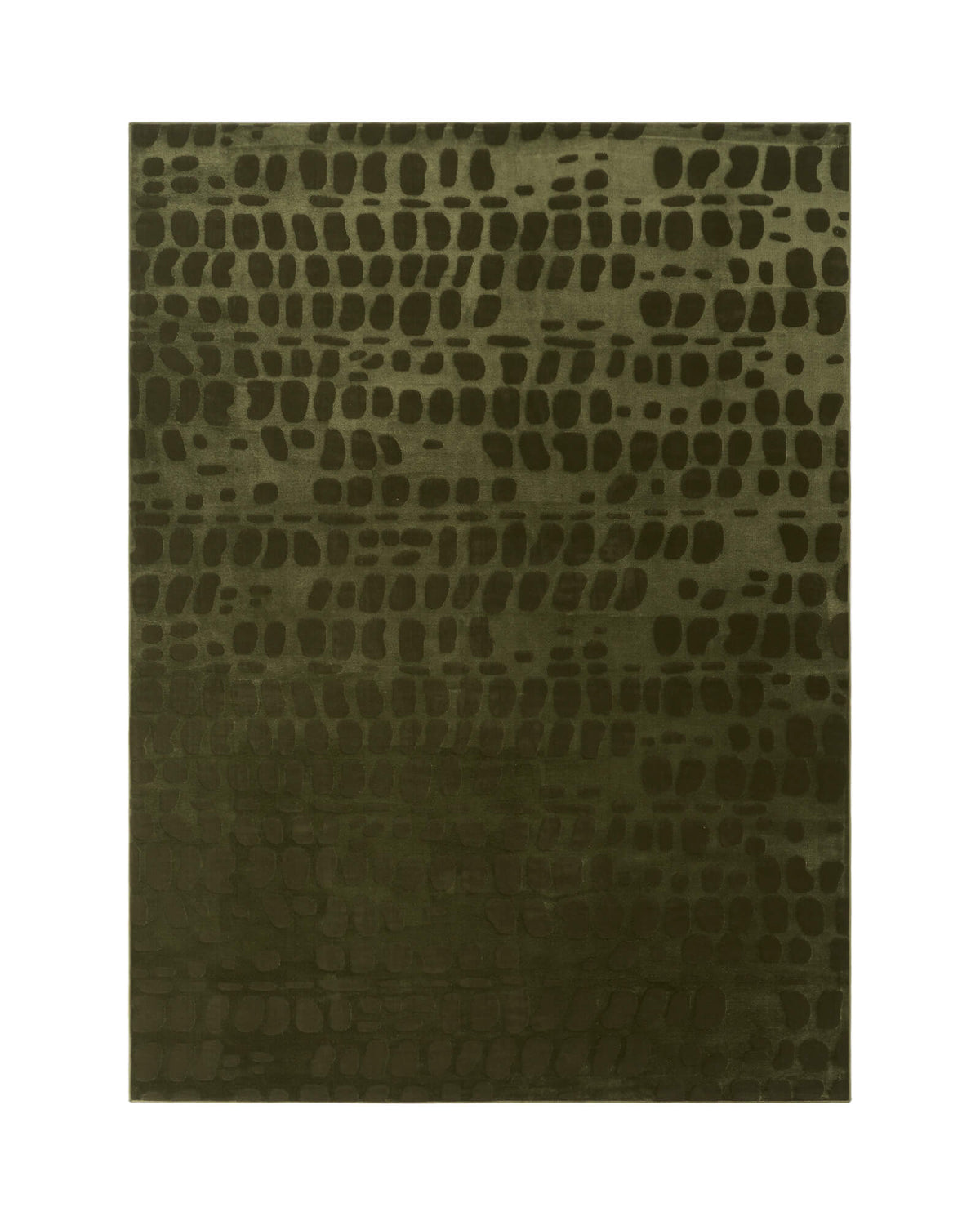
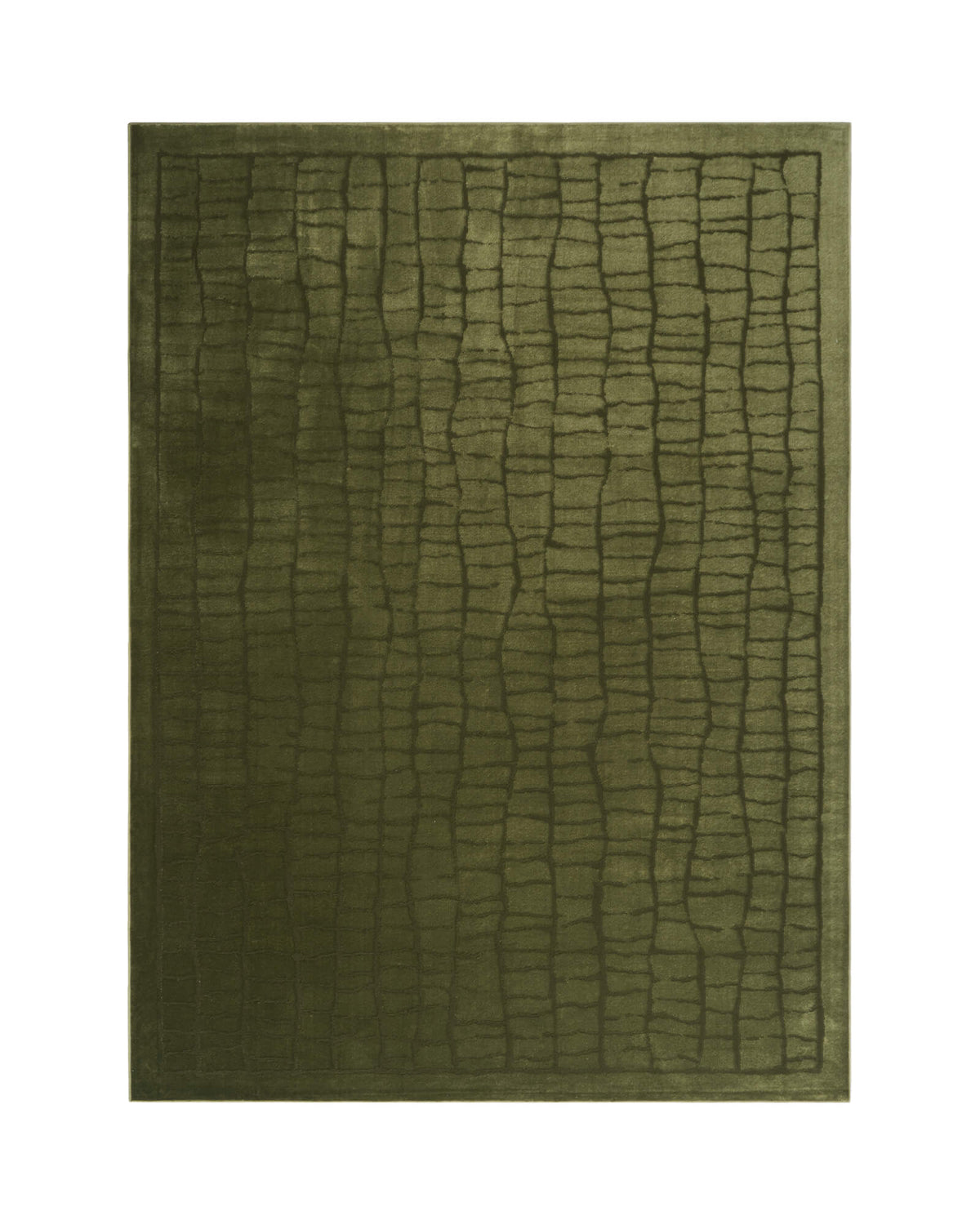
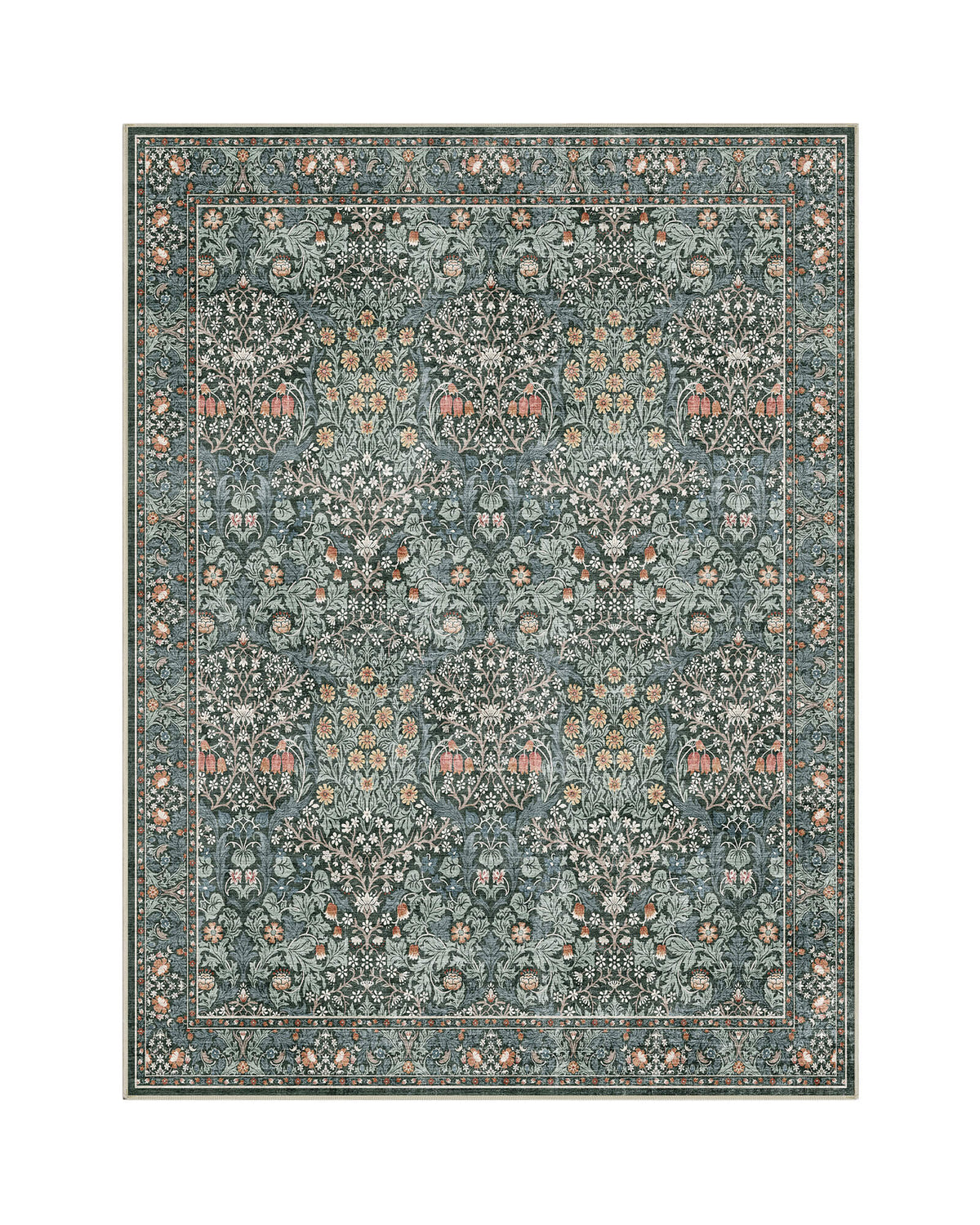
But neutral doesn't have to mean plain.
A beige rug with:
-
Florals
-
Subtle geometric shapes
-
Botanical motifs
-
Playful illustrations
-
Vintage-inspired details
can still give the room personality without dominating it.
11. Don't Be Afraid of Playful Patterns
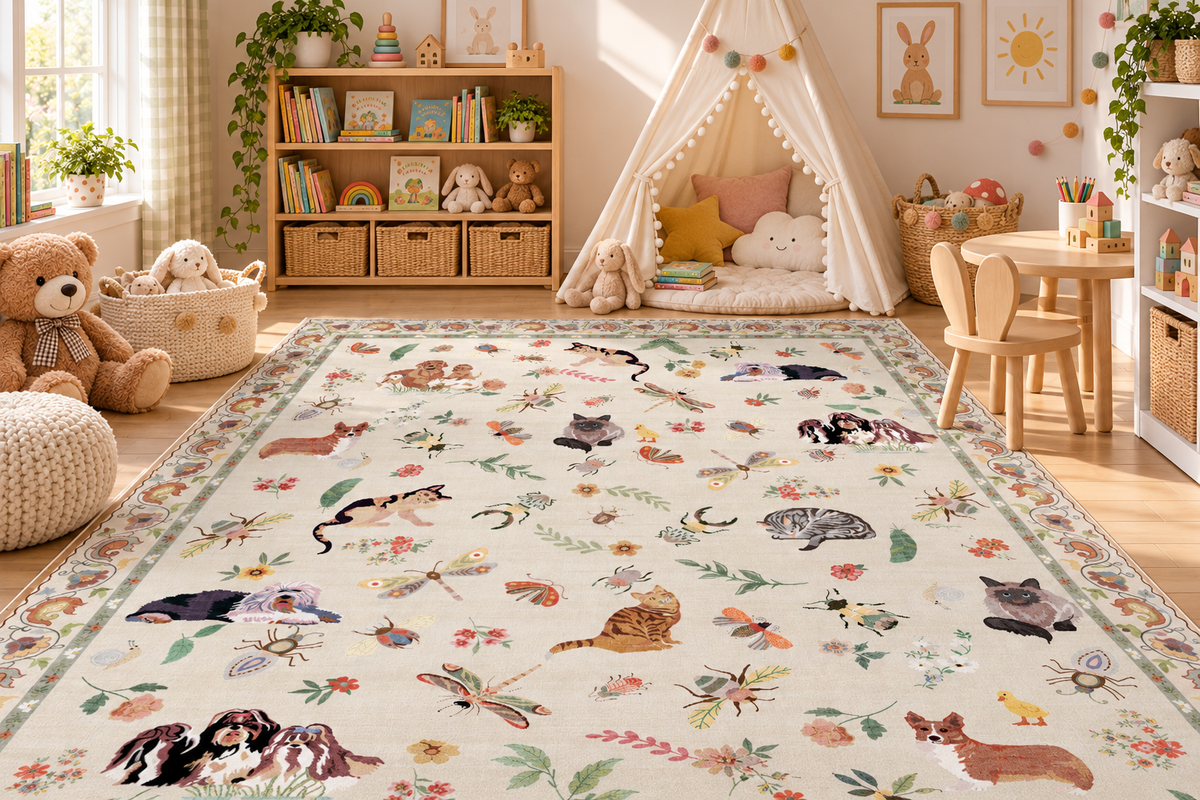
A nursery is one of the places where you can have a little more fun with pattern.
Novelty designs can introduce imagination into the room through motifs inspired by:
-
Animals
-
Nature
-
Flowers
-
Rainbows
-
Landscapes
-
Playful shapes
-
Storybook themes
As children grow, they may begin noticing and interacting with these details.
The key is balance.
If the walls, bedding, and furniture already contain several strong patterns, a quieter rug can create visual breathing room.
If the rest of the nursery is simple, the rug can become the playful focal point.
12. Think Beyond the Baby Stage
One of the best questions to ask when decorating a nursery is:
Will this still work in a few years?
Your baby's needs will change quickly.
A nursery becomes a toddler room, and eventually it may become a child's bedroom.
Choosing a rug that can grow with the room can save you from redesigning everything at each stage.
Look for:
-
Versatile colors
-
Comfortable texture
-
Practical cleaning
-
A pattern that isn't limited to newborn décor
-
A size that works with future furniture arrangements
A playful botanical or abstract design, for example, may transition more easily than something designed specifically for newborn décor.
Are Washable Rugs Good for Nurseries?
For many families, yes.
A washable rug combines several qualities that make sense in a nursery:
-
Easier deeper cleaning
-
Low-profile construction
-
Comfortable surface
-
Everyday practicality
-
Compatibility with changing family routines
This doesn't mean every washable rug is automatically appropriate for every nursery.
Always review the individual product's:
-
Material
-
Dimensions
-
Backing
-
Care instructions
-
Certifications
-
Construction
before purchasing.
What About Nursery Rugs for Homes with Pets?
If your dog or cat regularly enters the nursery, consider their needs too.
Pet households may deal with:
-
Fur
-
Paw prints
-
Dirt
-
Occasional accidents
-
Scratching
-
Frequent vacuuming
Low-pile washable rugs can make routine cleaning easier than very deep-pile styles.
Pattern can also be surprisingly useful.
A rug with a softly distressed, multitone, or playful design may make small amounts of everyday fur and debris less visually noticeable between cleanings.
Common Nursery Rug Mistakes to Avoid
Choosing a Rug Based Only on Appearance
That beautiful fluffy rug might look perfect online.
But ask how it will feel to vacuum, clean, and use every day.
Nursery design should balance appearance with practicality.
Choosing a Rug That's Too Small
A small rug floating in the middle of a larger room can make the nursery feel visually disconnected.
Measure the furniture arrangement—not just the empty floor.
Ignoring Cleaning Instructions
Don't wait until the first spill to discover how your rug needs to be cleaned.
Read the care instructions before buying.
Choosing Too Much High Pile
Extremely deep pile can trap more small debris and may require more maintenance.
For busy family life, low pile is often easier.
Forgetting the Room Will Change
Design for the child your baby will become, not only for the newborn stage.
A versatile rug can stay relevant much longer.
FAQs About Choosing a Nursery Rug
What type of rug is best for a nursery?
For many families, a soft, low-pile, easy-to-clean rug with stable backing is a practical choice. Washable rugs can be particularly convenient because nurseries inevitably experience spills and everyday messes.
What material is best for a nursery rug?
There's no single best material. Washable synthetic rugs are practical for easy maintenance, while wool offers a natural fiber and substantial texture. Consider softness, cleaning requirements, shedding, construction, and your household lifestyle.
Are washable rugs good for nurseries?
Yes, they can be. Machine-washable rugs make deeper cleaning easier when spills, pet hair, and everyday messes occur.
Should a nursery rug be low pile?
Low-pile rugs are often practical because they're easier to vacuum and maintain than very deep-pile rugs while still providing a comfortable floor surface.
What size rug should I use in a nursery?
It depends on room size and furniture placement. A 5' x 7' can define a smaller area, while 6' x 9', 8' x 10', and 9' x 12' rugs provide progressively greater coverage for larger nurseries.
Should a rug go under the crib?
It can. A larger rug extending underneath the crib can help anchor the nursery visually. Alternatively, a smaller rug can define an open play or reading area.
Do I need a non-slip rug for a nursery?
Stability is important in any frequently used room. A rug with non-slip backing or an appropriate rug pad can help reduce unwanted movement on suitable flooring.
Are wool rugs good for nurseries?
Wool can be a beautiful option if you prefer natural fibers and are comfortable with its care requirements. New wool rugs may experience some initial shedding, so consider maintenance and the specific rug construction before choosing.
What color rug is best for a nursery?
There is no required nursery color. Beige, cream, sage, muted pink, soft blue, warm neutrals, and gentle multicolor designs can all work. Choose a palette that complements the room and can continue working as your child grows.
Are patterned rugs good for nurseries?
Yes. Patterns can add personality and help create a playful environment. Botanical, animal, floral, geometric, and novelty motifs can all work depending on the rest of the room.
How often should you clean a nursery rug?
Cleaning frequency depends on traffic, spills, pets, and household routines. Vacuum regularly, address spills promptly, and follow the manufacturer's instructions for deeper cleaning.
Final Thoughts
Choosing a nursery rug isn't just about finding the cutest pattern.
Think about what will happen on that rug over the next few years.
You'll walk across it during late-night wake-ups.
You'll sit on it to read stories.
Your baby may crawl across it.
Toys will cover it.
Something will eventually spill on it.
And one day, the nursery may quietly turn into a toddler's room.
That's why the best nursery rug balances comfort, easy maintenance, stable placement, appropriate materials, and a design that can grow with the room.
Choose something beautiful—but choose something you're comfortable actually living on, too.
A nursery isn't meant to stay picture-perfect.
It's meant to become part of everyday family life.
Related Articles
Explore Rugs for Nurseries & Kids' Rooms
MontVooRugs washable area rugs are designed with real family life in mind, combining a soft low-pile surface with machine-washable care and non-slip backing.
For a little more personality, explore playful designs that can bring color and imagination into nurseries, playrooms, and kids' bedrooms.
👉 Shop Area Rugs:
https://montvoorugs.com/collections/area-rug