All Blogs

How to Choose a Rug for a Nursery
Designing a nursery usually starts with the big things: the crib, changing table, dresser, wall color, and storage. But there's another element that can completely change how the room feels—and how comfortably you use it every day. The rug. A nursery rug can soften hard flooring, create a comfortable surface for everyday moments, bring the room's colors together, and eventually provide a welcoming place for tummy time and play as your little one grows. But how do you choose a rug for a nursery? For most families, a good nursery rug should be soft, low pile, easy to clean, stable underfoot, appropriately sized, and made with materials you feel comfortable bringing into your home. Here's what to consider before choosing one. 1. Start with Material Material is one of the first things to consider when choosing a nursery rug because it influences: Feel Cleaning Maintenance Texture Weight Everyday practicality There's no single material that's right for every nursery. Your choice depends on your priorities. Washable Synthetic Rugs For busy family spaces, washable synthetic rugs can be one of the easiest options to live with. They're particularly practical when you expect: Spills Milk or formula accidents Snacks Pet hair Everyday dust Messy play later on MontVooRugs washable area rugs feature a 100% recycled polyester top and are designed for machine-washable care. That means you don't have to treat the nursery floor like a space where nothing can ever be spilled. Wool Rugs Wool is a natural fiber known for its rich texture and substantial feel. It can create a beautiful, warm foundation for a nursery, particularly if natural materials are important to your decorating style. However, new wool rugs can shed some loose fibers, and wool generally requires different care from a machine-washable synthetic rug. Consider how much maintenance you're comfortable with before choosing. Natural-Fiber Rugs Materials such as jute can add beautiful organic texture, but texture matters in a nursery. A rug that feels attractive in a living room may feel rougher when you're sitting, kneeling, or playing directly on the floor. For a nursery, always consider how the surface actually feels against hands, knees, and bare feet—not just how it looks. 2. Look for a Soft, Comfortable Surface Nurseries involve more time on the floor than you might initially expect. You may find yourself: Sitting beside the crib Playing on the floor Reading together Changing clothes Picking up toys Practicing tummy time Crawling around with your child As your baby grows, the rug may eventually become part of the everyday play space. That's why underfoot feel matters. A nursery rug should feel comfortable enough for both adults and children to spend time on the floor. But soft doesn't necessarily mean extremely fluffy. A smooth, low-pile rug can still feel comfortable while offering several practical advantages. 3. Consider a Low-Pile Rug It can be tempting to choose the fluffiest rug possible for a nursery. But high pile isn't always the most practical choice. Low-pile rugs are generally easier to: Vacuum Maintain Move furniture across Keep free of crumbs and small debris They're also easier to incorporate into a room that will change as your baby grows. Think beyond the newborn stage. Before long, the nursery may include: Toys Books Storage baskets Ride-on toys Play furniture A lower-profile surface can make everyday maintenance simpler. MontVooRugs washable area rugs have a profile of approximately 0.3 inches, providing softness without the deep pile of a shag-style rug. 4. Prioritize Easy Cleaning If there's one room where easy maintenance matters, it's a nursery. Accidents happen. A bottle spills. Something falls from the changing table. Muddy pet paws wander in. Later, snacks somehow find their way everywhere. For that reason, consider how you'll clean the rug before choosing it. Ask: Can I vacuum it easily? Can I spot clean small spills? Is the rug machine washable? How difficult will deeper cleaning be? Will the material suit the way our household actually lives? A machine-washable rug can be especially convenient for families who want the option of deeper cleaning at home. MontVooRugs washable area rugs are designed to be machine washable, helping simplify everyday care in busy family spaces. 5. Check for Rug Stability A nursery may seem quiet now, but it won't stay that way forever. As children grow, they begin: Crawling Standing Walking Running Playing Adults will also regularly move around the room, sometimes while carrying a baby. A rug that constantly slides, bunches, or develops curled edges can become frustrating. Look for a rug with a non-slip backing or use an appropriate rug pad when needed. MontVooRugs washable area rugs feature an integrated non-slip backing designed to help the rug stay more stable on appropriate floor surfaces. However, no rug should be treated as a substitute for normal household safety precautions. Periodically check that the rug remains flat and properly positioned. 6. Look at Product Certifications When shopping for nursery textiles, many parents also want to know more about how textile products have been tested. One certification you may encounter is OEKO-TEX® STANDARD 100. Products carrying this certification have had their textile components tested against requirements for harmful substances. MontVooRugs washable area rugs are OEKO-TEX® certified, giving families another piece of product information to consider when choosing textiles for everyday living spaces. Certification shouldn't replace checking the complete product specifications, but it can be a useful consideration when comparing nursery rugs. 7. Choose the Right Nursery Rug Size Size has a major influence on how finished a nursery feels. A rug that's too small may look disconnected from the furniture, while a properly sized rug can visually bring the crib, dresser, chair, and other pieces together. Before ordering, measure: The room Crib placement Dresser Rocking chair or glider Door clearance Any open play area Then decide what you want the rug to accomplish. 5' x 7' Nursery Rug A 5' x 7' rug can work well in: Smaller nurseries Apartments Rooms where you want to define one particular zone For example, it might sit near the crib and glider without covering most of the room. 6' x 9' Nursery Rug A 6' x 9' rug provides more coverage and can help connect several pieces of nursery furniture. It's a useful middle ground when a 5' x 7' feels too small but the room doesn't need a very large rug. 8' x 10' Nursery Rug For larger nurseries, an 8' x 10' rug can create a more unified appearance. Rather than looking like an accessory beside the furniture, the rug becomes a foundation for much of the room. 9' x 12' Nursery Rug In a spacious nursery, a 9' x 12' rug can provide broad floor coverage and create a particularly soft, cohesive foundation. Always measure your actual room and furniture arrangement rather than choosing based on room labels alone. 8. Decide Where the Rug Should Go There's no single correct nursery rug placement. It depends on your room layout. Under the Crib A larger rug can extend underneath the crib and into the surrounding room. This works particularly well when you want the rug to visually anchor most of the furniture. In the Center of the Room If you have a smaller rug, positioning it in an open area can create a defined play zone. This can be particularly useful as your baby grows. Under the Glider or Reading Area A smaller rug can also help define a comfortable reading or feeding corner. If you place furniture on the rug, make sure the arrangement remains stable and the rug doesn't interfere with how the chair moves. 9. Think About Furniture Placement A nursery rug should work with the furniture rather than fight against it. Before choosing a size, think about where the rug edges will fall. Avoid awkward arrangements where: One furniture leg barely touches the rug The rug blocks the door An edge falls directly where you frequently walk Furniture causes the rug to bunch Also remember that nursery layouts evolve. A bassinet may disappear. A crib may eventually become a toddler bed. A changing table may become storage. An open corner may become a play area. Choosing a versatile rug size and design can help the room transition more easily. 10. Choose a Color That Can Grow with the Room Nursery décor doesn't have to be limited to traditional baby pink or blue. Consider colors that can evolve as the room changes. Popular nursery palettes include: Beige Cream Sage green Soft pink Muted blue Warm brown Gray Soft multicolor combinations Neutral rugs are particularly versatile because toys, bedding, wall art, and accessories can change around them. But neutral doesn't have to mean plain. A beige rug with: Florals Subtle geometric shapes Botanical motifs Playful illustrations Vintage-inspired details can still give the room personality without dominating it. 11. Don't Be Afraid of Playful Patterns A nursery is one of the places where you can have a little more fun with pattern. Novelty designs can introduce imagination into the room through motifs inspired by: Animals Nature Flowers Rainbows Landscapes Playful shapes Storybook themes As children grow, they may begin noticing and interacting with these details. The key is balance. If the walls, bedding, and furniture already contain several strong patterns, a quieter rug can create visual breathing room. If the rest of the nursery is simple, the rug can become the playful focal point. 12. Think Beyond the Baby Stage One of the best questions to ask when decorating a nursery is: Will this still work in a few years? Your baby's needs will change quickly. A nursery becomes a toddler room, and eventually it may become a child's bedroom. Choosing a rug that can grow with the room can save you from redesigning everything at each stage. Look for: Versatile colors Comfortable texture Practical cleaning A pattern that isn't limited to newborn décor A size that works with future furniture arrangements A playful botanical or abstract design, for example, may transition more easily than something designed specifically for newborn décor. Are Washable Rugs Good for Nurseries? For many families, yes. A washable rug combines several qualities that make sense in a nursery: Easier deeper cleaning Low-profile construction Comfortable surface Everyday practicality Compatibility with changing family routines This doesn't mean every washable rug is automatically appropriate for every nursery. Always review the individual product's: Material Dimensions Backing Care instructions Certifications Construction before purchasing. What About Nursery Rugs for Homes with Pets? If your dog or cat regularly enters the nursery, consider their needs too. Pet households may deal with: Fur Paw prints Dirt Occasional accidents Scratching Frequent vacuuming Low-pile washable rugs can make routine cleaning easier than very deep-pile styles. Pattern can also be surprisingly useful. A rug with a softly distressed, multitone, or playful design may make small amounts of everyday fur and debris less visually noticeable between cleanings. Common Nursery Rug Mistakes to Avoid Choosing a Rug Based Only on Appearance That beautiful fluffy rug might look perfect online. But ask how it will feel to vacuum, clean, and use every day. Nursery design should balance appearance with practicality. Choosing a Rug That's Too Small A small rug floating in the middle of a larger room can make the nursery feel visually disconnected. Measure the furniture arrangement—not just the empty floor. Ignoring Cleaning Instructions Don't wait until the first spill to discover how your rug needs to be cleaned. Read the care instructions before buying. Choosing Too Much High Pile Extremely deep pile can trap more small debris and may require more maintenance. For busy family life, low pile is often easier. Forgetting the Room Will Change Design for the child your baby will become, not only for the newborn stage. A versatile rug can stay relevant much longer. FAQs About Choosing a Nursery Rug What type of rug is best for a nursery? For many families, a soft, low-pile, easy-to-clean rug with stable backing is a practical choice. Washable rugs can be particularly convenient because nurseries inevitably experience spills and everyday messes. What material is best for a nursery rug? There's no single best material. Washable synthetic rugs are practical for easy maintenance, while wool offers a natural fiber and substantial texture. Consider softness, cleaning requirements, shedding, construction, and your household lifestyle. Are washable rugs good for nurseries? Yes, they can be. Machine-washable rugs make deeper cleaning easier when spills, pet hair, and everyday messes occur. Should a nursery rug be low pile? Low-pile rugs are often practical because they're easier to vacuum and maintain than very deep-pile rugs while still providing a comfortable floor surface. What size rug should I use in a nursery? It depends on room size and furniture placement. A 5' x 7' can define a smaller area, while 6' x 9', 8' x 10', and 9' x 12' rugs provide progressively greater coverage for larger nurseries. Should a rug go under the crib? It can. A larger rug extending underneath the crib can help anchor the nursery visually. Alternatively, a smaller rug can define an open play or reading area. Do I need a non-slip rug for a nursery? Stability is important in any frequently used room. A rug with non-slip backing or an appropriate rug pad can help reduce unwanted movement on suitable flooring. Are wool rugs good for nurseries? Wool can be a beautiful option if you prefer natural fibers and are comfortable with its care requirements. New wool rugs may experience some initial shedding, so consider maintenance and the specific rug construction before choosing. What color rug is best for a nursery? There is no required nursery color. Beige, cream, sage, muted pink, soft blue, warm neutrals, and gentle multicolor designs can all work. Choose a palette that complements the room and can continue working as your child grows. Are patterned rugs good for nurseries? Yes. Patterns can add personality and help create a playful environment. Botanical, animal, floral, geometric, and novelty motifs can all work depending on the rest of the room. How often should you clean a nursery rug? Cleaning frequency depends on traffic, spills, pets, and household routines. Vacuum regularly, address spills promptly, and follow the manufacturer's instructions for deeper cleaning. Final Thoughts Choosing a nursery rug isn't just about finding the cutest pattern. Think about what will happen on that rug over the next few years. You'll walk across it during late-night wake-ups. You'll sit on it to read stories. Your baby may crawl across it. Toys will cover it. Something will eventually spill on it. And one day, the nursery may quietly turn into a toddler's room. That's why the best nursery rug balances comfort, easy maintenance, stable placement, appropriate materials, and a design that can grow with the room. Choose something beautiful—but choose something you're comfortable actually living on, too. A nursery isn't meant to stay picture-perfect. It's meant to become part of everyday family life. Related Articles How to Choose the Right Rug Size for Every Room How to Choose Rug Color How to Match Rugs with Floor Colors How to Make a Home Cozy Pet-Friendly Rugs for Living Room Explore Rugs for Nurseries & Kids' Rooms MontVooRugs washable area rugs are designed with real family life in mind, combining a soft low-pile surface with machine-washable care and non-slip backing. For a little more personality, explore playful designs that can bring color and imagination into nurseries, playrooms, and kids' bedrooms. 👉 Shop Area Rugs:https://montvoorugs.com/collections/area-rug
Aprende más
How to Make a Home Cozy
12 Simple Ways to Create a Warm, Inviting Space A cozy home isn't necessarily a perfectly decorated home. It's the kind of place where you want to take your shoes off, settle onto the sofa, and stay a little longer. The lighting feels soft. The floors feel comfortable underfoot. There are familiar objects around you, and nothing feels too precious to actually live with. So, how do you make a home feel cozy? You don't need a complete renovation or an entirely new set of furniture. Small changes in lighting, texture, color, rugs, textiles, and personal details can make even a simple space feel noticeably warmer and more inviting. Here are 12 practical ways to create a cozy home that still feels natural, comfortable, and lived-in. 1. Start with Warm, Layered Lighting Lighting can completely change how a room feels. Bright overhead lighting is useful when you're cleaning or working, but relying on a single ceiling light can make a room feel flat or overly functional. Instead, create several smaller sources of light throughout the room. Try combining: Table lamps Floor lamps Wall sconces Reading lamps Pendant lights Candles Think about where light is actually needed. A floor lamp beside the sofa creates a comfortable reading corner. A small lamp on a console makes an entryway feel welcoming in the evening. Bedside lamps create a much softer atmosphere than a bright ceiling fixture. For spaces intended for relaxing, warmer light temperatures generally create a softer visual atmosphere than cool, blue-toned lighting. The goal isn't necessarily to make the room darker. It's to make the lighting feel layered rather than uniform. 2. Add a Rug to Soften the Room One of the easiest ways to make a room feel warmer is to start with the floor. Hard surfaces such as wood, tile, and laminate can make a space feel visually open and clean, but large areas of exposed flooring can sometimes feel a little unfinished. An area rug adds: Texture Softness underfoot Color Pattern Visual warmth Definition between different areas More importantly, it helps visually connect your furniture. In a living room, for example, a properly sized rug can bring the sofa, coffee table, and accent chairs together into one comfortable conversation area. Instead of looking like separate pieces of furniture sitting in the same room, they begin to feel like one intentional space. Choose the Right Rug Size A rug that's too small can have the opposite effect, making furniture appear disconnected. For many living rooms, larger sizes such as 8' x 10' or 9' x 12' provide enough coverage to visually anchor the main seating arrangement. The exact size depends on your room and furniture layout, so always measure before choosing. Think About Texture, Not Just Color A cozy rug doesn't have to be extremely fluffy. Low-pile rugs can still create warmth through: Woven texture Vintage-inspired patterns Soft neutral palettes Floral details Subtle distressed effects Organic lines For busy households, a washable low-pile rug can offer that visual softness while remaining easier to maintain. 👉 Explore MontVooRugs Area Rugs 3. Layer Different Textures If a room looks technically complete but still doesn't feel cozy, it may be missing texture. Imagine a living room containing: A smooth sofa A smooth coffee table Bare walls Bare flooring Even if every individual piece is attractive, the room can feel visually flat. Now introduce: A woven rug Linen curtains A chunky throw Soft pillows A wood side table A ceramic lamp Suddenly, there's more for the eye to explore. The secret is variation. Try combining smooth and textured, soft and structured, matte and slightly reflective surfaces. You don't need every item to be fuzzy or plush. In fact, too much of one texture can make a room feel heavy. A cozy home usually comes from layers. 4. Choose Warm, Comfortable Colors You don't have to paint every wall beige to create a cozy home. Warmth can come from many different palettes. Consider colors such as: Warm white Cream Beige Camel Taupe Terracotta Muted green Warm brown Dusty rose Soft gold Even traditionally cool colors can feel inviting when they're muted or paired with warmer materials. For example, a muted green wall combined with wood furniture, a vintage-inspired rug, and cream textiles can feel extremely warm and relaxed. Use the 60-30-10 Idea as a Starting Point If choosing colors feels overwhelming, a simple starting point is: 60% dominant color + 30% secondary color + 10% accent color You don't need to follow this mathematically. It's simply a useful reminder that not every color needs equal visual weight. Let one palette dominate, support it with another, and use stronger colors in smaller doses. 5. Bring in Natural Materials Natural materials often help a room feel less sterile. Consider introducing: Wood Wool Cotton Linen Rattan Jute Stone Ceramic You don't need all of them. Even something as simple as a wooden coffee table beside a fabric sofa can add warmth because the two materials contrast naturally. Small imperfections can help too. Wood grain, woven fibers, handmade ceramics, and natural textiles don't always look perfectly uniform—and that's often part of what makes a room feel relaxed rather than showroom-perfect. 6. Make Your Sofa Look Lived-In A sofa is usually one of the largest objects in a living room, so it has a major influence on how comfortable the space feels. Instead of filling it with identical decorative pillows, try combining a few different elements. For example: Two larger pillows One smaller accent pillow A casually folded throw blanket Mix textures rather than adding endless patterns. A linen pillow, knitted throw, and soft cotton cushion can create more depth than five pillows made from exactly the same fabric. And don't worry about making everything perfectly symmetrical. A little visual looseness often makes a home feel more approachable. 7. Use Curtains to Soften Windows Bare windows can make a room feel sharper and more exposed. Curtains add another layer of fabric and help soften the transition between walls and windows. For a more relaxed appearance, consider hanging curtains: Higher than the window frame Wide enough to frame the window Long enough to reach or nearly reach the floor This can also visually make the windows—and sometimes the entire room—feel taller. Lightweight curtains create an airy feeling, while heavier fabrics can make bedrooms and living rooms feel more enclosed and intimate. 8. Create Small Cozy Corners You don't need an entire room dedicated to relaxation. Sometimes one small corner is enough. Look around your home for an underused area: Beside a window At the end of a hallway In a bedroom corner Next to a bookshelf Near the fireplace Then give that area a purpose. A simple reading corner might include: Chair + small table + lamp + rug + blanket That's it. A previously empty corner suddenly becomes somewhere you actually want to spend time. This is particularly useful in large or open-plan homes, where creating smaller visual zones can make the overall space feel more intimate. 9. Make the Entryway Feel Welcoming Cozy doesn't begin in the living room. It begins when you walk through the door. Even a small entryway can feel intentional with a few simple additions: A runner or small rug A warm lamp A mirror A small bench A basket for everyday items A few personal decorative objects An entryway rug is particularly useful because it helps visually separate the entrance from the rest of the home while adding softness to a high-traffic area. For an entryway, prioritize a rug that is: Low pile Easy to clean Stable underfoot Appropriately sized for door clearance A washable rug can be particularly practical for busy indoor entrances. 10. Don't Forget the Stairs Staircases are often treated purely as functional spaces. But in many homes, they're highly visible from the entryway or living room. Adding stair treads can soften the look of hard stairs while also helping: Improve traction Reduce footstep noise Add comfort underfoot Protect the stair surface Create visual continuity between floors For homes with hardwood or marble stairs, this can make the transition between spaces feel less stark. MontVooRugs offers both adhesive and non-adhesive stair tread options for different household needs. 👉 Explore MontVooRugs Stair Treads 11. Add Things That Actually Mean Something to You A cozy home shouldn't look like it was copied directly from a catalog. Personal objects make a room feel inhabited. That might include: Family photographs Books you've actually read Travel souvenirs Children's artwork Vintage finds Ceramics Records Artwork you genuinely enjoy Objects inherited from family You don't need to display everything you own. Choose a few pieces that have meaning and give them room to breathe. The goal is not clutter. It's personality. A perfectly styled room can still feel impersonal. A slightly imperfect room filled with things connected to your life often feels much warmer. 12. Design for Everyday Life, Not Just Appearance Perhaps the most important part of creating a cozy home is making it comfortable to actually live in. Think about your routines. Where do you put your coffee? Where does the dog sleep? Where do you take your shoes off? Where do you read? Where does everyone naturally gather? Then design around those behaviors. If everyone loves sitting in one corner of the living room, add a lamp and side table there. If your dog always lies beside the sofa, leave enough comfortable floor space. If children regularly play in the living room, choose materials that don't make you nervous every time something spills. Washable rugs, durable textiles, storage baskets, and easy-to-clean surfaces may not sound as romantic as candles and throw blankets—but practicality is part of comfort. A home can't feel truly cozy if you're constantly worried about damaging it. How to Make a Small Home Feel Cozy Small homes already have one advantage: their scale can naturally create a sense of intimacy. The challenge is adding warmth without creating visual clutter. Focus on: One appropriately sized rug rather than several tiny rugs Warm layered lighting A restrained color palette Soft curtains A few tactile materials Furniture with practical storage Meaningful décor rather than lots of small accessories And don't assume a small room requires a tiny rug. In many cases, a larger rug can make a small space feel more cohesive because it visually connects the furniture rather than dividing the floor into smaller sections. How to Make a Large Home Feel Cozy Large rooms present the opposite challenge. Too much empty space can make them feel less intimate. Instead of trying to fill every empty corner, divide the room into smaller functional zones. A large living room might contain: Main seating area + reading corner + console area Rugs are particularly useful here because they create visual boundaries without adding walls. You can also use: Floor lamps Larger artwork Curtains Furniture groupings Plants Side tables to make the room feel layered rather than empty. How to Make a Home Cozy Without Spending Much Money Creating warmth doesn't require buying everything new. Start with what you already own. Try: Moving furniture closer together Rearranging your rug Moving lamps instead of using overhead lighting Bringing blankets out of storage Rearranging books Displaying meaningful photographs Moving décor between rooms Decluttering visually busy surfaces Adding inexpensive pillow covers Bringing natural branches or greenery indoors Sometimes the biggest improvement comes from rearranging rather than purchasing. What Makes a Home Feel Uncozy? If something feels off, look for the opposite of everything we've discussed. A room may feel less inviting when it has: Only one harsh overhead light Too much exposed hard flooring Furniture pushed far apart A rug that's too small Very little texture Bare windows No personal objects Excessive clutter Too many matching pieces Furniture arranged for appearance rather than conversation You don't necessarily need to fix all of these things. Find the one or two elements making the biggest difference and start there. FAQs About Making a Home Cozy How can I make my house feel more cozy? Start by adding warm layered lighting, soft textiles, an appropriately sized rug, curtains, natural materials, and personal objects. Furniture placement also matters—group seating so the room feels comfortable for conversation rather than leaving everything disconnected. How can I make my home cozy without spending money? Rearrange furniture, use lamps you already own, bring out stored blankets, display personal photographs, reorganize books, declutter surfaces, and move decorative objects between rooms. A different layout can dramatically change how a space feels without requiring new purchases. What colors make a home feel cozy? Warm whites, creams, beige, warm browns, muted greens, terracotta, taupe, and other earthy tones can create an inviting atmosphere. However, lighting, texture, and material are just as important as color. Do rugs make a room feel warmer? Visually, yes. Rugs soften large areas of hard flooring, introduce texture and color, and help connect furniture into a defined zone. They can also make hard floors feel more comfortable underfoot. What kind of rug makes a living room cozy? Look for a rug that's large enough to anchor the main furniture arrangement and complements the room's palette. Vintage-inspired, floral, woven, textured, and warm neutral designs can all work depending on your decorating style. How do I make a modern home feel cozy? Balance clean modern lines with warmer elements such as textured rugs, wood, soft curtains, layered lighting, pillows, blankets, plants, and personal artwork. You don't need to abandon minimalism—adding texture is often enough. How do I make a minimalist home cozy? Use fewer objects but introduce more variation in material. Warm wood, linen, wool, textured rugs, ceramic pieces, and soft lighting can add depth without creating clutter. Can a home be cozy without looking cluttered? Absolutely. Cozy and cluttered aren't the same thing. Focus on texture, lighting, comfortable furniture placement, and a limited number of meaningful objects rather than filling every surface. How can I make my bedroom feel cozier? Start with softer lighting, comfortable bedding, curtains, and a rug that extends beyond the bed. Add a few tactile layers such as pillows or a throw while keeping the overall palette calm. How can I make my entryway more welcoming? Use a low-pile rug or runner, warm lighting, a mirror, a small bench or console, and simple storage for everyday items. Keep the space functional so it feels inviting rather than crowded. Final Thoughts A cozy home isn't created by following one decorating style. It comes from how the space feels when you're actually living in it. Soft light in the evening. A rug beneath your feet. A blanket within reach. A comfortable place for the dog to lie down. Books you've read, photographs you care about, and furniture arranged for people rather than pictures. Start with the elements that have the greatest impact—lighting, rugs, texture, color, and furniture placement—then slowly add the details that make the space feel like yours. Your home doesn't have to look perfect. It just needs to make you want to stay. Related Articles How to Position a Rug in a Living Room What Size Area Rug for a Living Room? How to Match Rugs with Floor Colors What Type of Rug Is Best for an Entryway? Bring More Warmth Home with MontVooRugs A rug can be one of the simplest ways to soften a room, connect your furniture, and make everyday spaces feel more inviting. Explore washable area rugs in vintage, floral, abstract, and modern designs for comfortable real-home living. 👉 Shop Area Rugs:https://montvoorugs.com/collections/area-rug
Aprende más
What Type of Rug Is Best for an Entryway?
Your entryway rug has a bigger job than simply making the front door look welcoming. It's one of the first surfaces people step onto when they enter your home, which means it regularly deals with shoes, dirt, pet paws, everyday foot traffic, and occasionally moisture from outside. So, what type of rug is best for an entryway? For most homes, a durable, low-pile, easy-to-clean rug with good grip is one of the most practical choices. Washable area rugs work especially well for indoor entryways, while Indoor/Outdoor rugs can be a smart option for spaces that regularly deal with wet shoes, mud, or the transition between indoors and outdoors. The right choice ultimately depends on where your entryway is located and how your household uses it. In this guide, we'll cover: What makes a good entryway rug The best rug materials for an entryway Washable vs. Indoor/Outdoor rugs Why pile height matters What rug size works best What colors and patterns are practical Entryway rugs for homes with kids and pets Common mistakes to avoid What Makes a Good Entryway Rug? Entryways are high-traffic areas. Unlike a bedroom rug, which may mostly encounter bare feet, an entryway rug can come into contact with shoes carrying dust, leaves, grit, and moisture from outside. That means practicality matters just as much as appearance. A good entryway rug should generally be: Durable enough for frequent foot traffic Easy to clean Low pile Stable underfoot Thin enough for the door to clear Suitable for your home's level of dirt and moisture Easy to coordinate with the surrounding space You don't necessarily need the softest or thickest rug. In an entryway, easy maintenance and everyday functionality usually matter more than plushness. Why Low-Pile Rugs Are Best for Entryways Pile height refers to the height or thickness of the fibers above the rug surface. For entryways, low pile is usually the more practical choice. Easier Door Clearance This is one of the most important considerations people forget. If your rug sits close to the front door, the door needs enough clearance to open and close without catching the rug. A thick or fluffy rug may: Catch underneath the door Bunch as the door opens Shift out of position Make the entrance inconvenient to use Before buying an entryway rug, measure the space between the bottom of your door and the floor. Easier Everyday Cleaning Low-pile rugs also tend to be easier to vacuum because dirt and debris are less likely to settle deeply into long fibers. That's particularly useful in an entryway where you may regularly encounter: Dust Sand Leaves Pet hair Small debris Dirt from shoes Better for Busy Spaces Thick shag rugs can feel wonderful in bedrooms and other relaxing areas, but they're generally less practical beside a frequently used front door. A thinner profile makes more sense when people are constantly walking across the same area. MontVooRugs washable area rugs have a 0.3-inch profile, making them a practical option for many indoor entryway settings while still providing softness underfoot. Always measure your individual door clearance before choosing a rug. What Is the Best Rug Material for an Entryway? There's no single material that's perfect for every entryway. The best choice depends on whether your entrance is mostly dry, regularly gets dirty, experiences moisture, or serves as a transition between indoor and outdoor spaces. Polyester Rugs Polyester can be a practical choice for indoor entryways, particularly when the rug itself is designed for easy maintenance. MontVooRugs washable area rugs feature a surface made from 100% recycled polyester, combined with everyday features designed for busy homes. They're especially useful for indoor entryways because they offer: Machine-washable care Low-pile construction Soft feel underfoot Non-slip backing Easy everyday maintenance For a front hallway or foyer where you want something that feels like part of your interior décor rather than a traditional doormat, a washable area rug can offer a good balance between style and practicality. Polypropylene Rugs Polypropylene is another practical material for high-traffic areas, particularly when indoor and outdoor living overlap. MontVooRugs Indoor/Outdoor rugs are made from 100% polypropylene and designed for use in both indoor and outdoor spaces. They offer: Quick-drying performance Easy rinse-clean care Shed-free construction 5-year fade resistance OEKO-TEX® certification This makes them particularly useful for spaces such as: Covered entrances Porches Mudroom-style entryways Sunrooms Busy indoor entry spaces Indoor/outdoor transition areas If your entrance regularly deals with wet shoes or more demanding everyday messes, an Indoor/Outdoor rug may be more practical than a decorative rug designed primarily for dry interior spaces. Wool Rugs Wool can also work beautifully in certain entryways. Its natural texture and substantial appearance make it particularly appealing in more formal foyers or entrances where design is a priority. However, wool generally requires different care from a machine-washable synthetic rug. If your front entrance regularly encounters muddy shoes, wet paws, or frequent spills, consider how much maintenance you're comfortable with before choosing wool. For a relatively dry foyer where shoes are removed quickly, wool can be a beautiful option. For a busy family entrance where frequent cleaning is expected, washable or Indoor/Outdoor options may be easier to live with. What About Jute and Other Natural-Fiber Rugs? Jute and similar natural fibers are popular because of their warm, organic appearance. They can look beautiful in: Farmhouse interiors Coastal homes Organic modern spaces Neutral entryways But consider moisture before placing one directly beside a frequently used exterior door. If your entryway regularly encounters rain, wet shoes, or muddy paws, a rug designed for easier cleaning may be more practical. Natural-fiber rugs generally make more sense in dry, protected entryways where exposure to moisture is limited. Washable Rug or Indoor/Outdoor Rug: Which Is Better for an Entryway? Both can work well—the better choice depends on the location. Choose a Washable Area Rug If: Your entryway is primarily an indoor space and you want the rug to feel connected to the rest of your décor. A washable rug is particularly useful for: Foyers Interior entrance halls Apartment entryways Homes with children Homes with pets Spaces where occasional spills and dirt are expected Being able to machine wash the rug makes routine maintenance much simpler. Choose an Indoor/Outdoor Rug If: Your entryway experiences more demanding conditions or creates a strong transition between outside and inside. Consider an Indoor/Outdoor rug for: Porches Covered entrances Mudrooms Sunrooms Patio entrances Busy entry spaces exposed to wet shoes The polypropylene construction and rinse-clean care can make everyday maintenance easier in these spaces. What Size Rug Is Best for an Entryway? Once you've chosen the right type of rug, size becomes the next question. There's no universal entryway rug size because foyers vary significantly. The easiest approach is to match the rug to the shape and scale of your space. Small Entryway For a compact entrance, a smaller rectangular rug may provide enough coverage without overwhelming the space. Make sure there is enough exposed flooring around it to make the placement look intentional. Long, Narrow Entryway A runner rug is often one of the best choices for a narrow entryway or entrance hallway. A runner naturally follows the direction of the space and helps guide the eye further into the home. Common runner sizes such as: 2' x 6' 2' x 8' 2' x 10' can work depending on the dimensions of your hallway. Always measure before ordering. Larger Foyer A larger entryway gives you more freedom. A 3' x 5', 4' x 6', 5' x 7', or other appropriately scaled area rug can help visually define the entrance. The goal is to make the rug feel proportional to the architecture rather than looking like a small mat floating in the middle of a large foyer. Don't Forget to Measure Door Clearance Before buying any rug that will sit near a door, check how much space exists between the door and floor. Measure the clearance while opening the door completely. Then consider the combined thickness of: The rug Any rug pad underneath Door sweep or weather stripping Even a beautiful entryway rug won't work well if your front door constantly catches on it. This is another reason low-profile rugs are particularly practical for entryways. Should an Entryway Rug Have Non-Slip Backing? Stability is especially important in an entryway because people may be stepping onto the rug while entering or leaving the home. A rug that slides or bunches on smooth flooring can be inconvenient and may create a tripping or slipping risk. Look for either: A rug with an integrated non-slip backing, or A suitable rug pad underneath MontVooRugs washable area rugs feature non-slip backing for added stability on appropriate flooring surfaces. If additional cushioning or grip is desired, a suitable rug pad may also help depending on your rug and flooring. What Color Rug Is Best for an Entryway? Entryways don't have to be dark—but think about what the rug will encounter every day. A very light solid rug may show: Dust Mud Shoe marks Pet hair more quickly than a patterned design. That doesn't mean beige, cream, or other light neutrals are off limits. Instead, consider designs with: Distressed details Vintage-inspired patterns Multitone surfaces Floral motifs Abstract textures Subtle geometric patterns These visual details can help make everyday dirt less noticeable between cleanings. Vintage Rugs for Entryways Vintage-inspired rugs are particularly easy to use in an entryway because their layered patterns naturally create visual interest. They work beautifully with: Wood floors Entry benches Console tables Traditional furniture Warm neutral interiors A softly distressed pattern can also be forgiving in a high-traffic space. Modern Rugs for Entryways For modern homes, consider: Abstract patterns Geometric designs Tonal textures Neutral palettes Flowing lines A quieter pattern can create a clean entrance while still giving the space enough character to feel finished. Are Washable Rugs Good for Entryways with Pets? Yes, washable rugs can be particularly practical for pet households. Dogs don't wipe their paws before coming inside. An entryway may regularly deal with: Muddy paws Pet hair Dust Water Everyday outdoor debris A machine-washable rug makes deeper cleaning easier when vacuuming and spot cleaning aren't enough. Low-pile construction can also make pet hair easier to manage than on very deep, fluffy surfaces. Are Entryway Rugs Good for Hardwood Floors? Yes, an entryway rug can help create a protective layer between frequent foot traffic and hardwood flooring. It can help reduce direct exposure to: Shoes Dirt Grit Pet paws Everyday traffic However, always choose a rug and backing suitable for your particular floor finish. Keep both the floor and underside of the rug clean and dry, and periodically check underneath the rug for trapped dirt or moisture. Should You Put a Doormat and a Rug in the Entryway? They can serve different purposes. An exterior doormat provides the first line of defense against dirt before someone enters the home. An interior entryway rug then provides additional floor coverage while becoming part of the room's décor. For busy entrances, using both can be an effective setup: Outside doormat → Front door → Indoor entryway rug The outdoor mat handles the first contact with dirty shoes, while the indoor rug helps define the entrance and protect the interior floor. Common Entryway Rug Mistakes to Avoid Choosing a Rug That's Too Thick A plush rug may prevent your front door from opening properly. Always measure door clearance. Choosing Something Difficult to Clean Entryways naturally get dirty. If keeping a rug clean requires too much effort, it may not be the right rug for this particular space. Ignoring Grip A beautiful rug that constantly slides across the floor quickly becomes frustrating. Consider backing and stability before buying. Choosing the Wrong Size A tiny rug can look disconnected from a large foyer, while an oversized rug may make a small entrance feel crowded. Measure both the room and furniture placement. Forgetting About Your Climate and Lifestyle A formal foyer in a dry environment has very different needs from a mudroom used by two children and a dog during a rainy winter. Choose for your actual household, not simply for the photograph you like. FAQs About Entryway Rugs What type of rug is best for an entryway? For most entryways, choose a durable, low-pile, easy-to-clean rug that stays stable underfoot. Washable rugs are particularly practical for indoor foyers, while Indoor/Outdoor rugs can work well in entrances that experience more moisture, dirt, and indoor/outdoor traffic. What is the best rug material for a high-traffic entryway? Synthetic materials such as polyester and polypropylene can be practical choices because they can be used in durable, easy-care rug constructions. The best material depends on how much moisture, dirt, and traffic your entrance receives. Are washable rugs good for entryways? Yes. Machine-washable rugs are particularly useful in entryways because this area tends to collect dirt from shoes and pets. Being able to wash the entire rug simplifies deeper cleaning. Is a low-pile rug better for an entryway? Usually, yes. Low-pile rugs are easier to clean, collect less deep-set debris than plush styles, and are less likely to interfere with a swinging door. Can I use an Indoor/Outdoor rug inside my entryway? Yes. Indoor/Outdoor rugs are designed for versatile use and can be particularly practical in indoor entrances, mudrooms, sunrooms, and other areas that experience frequent traffic or occasional moisture. What size rug is best for an entryway? It depends on the shape of your entrance. Smaller rugs work well in compact foyers, runners suit long narrow entryways, and larger area rugs can help anchor spacious foyers. Measure the space before choosing. Should an entryway rug be wider than the front door? It doesn't have to follow an exact rule, but the rug should feel proportional to both the doorway and the overall entryway. Avoid choosing something so small that it appears disconnected from the space. Should an entryway rug be light or dark? Either can work. However, medium tones, multicolor patterns, distressed designs, and textured-looking patterns may disguise everyday dirt and shoe marks better than very light solid colors. Can I put a rug directly inside the front door? Yes, provided there is enough clearance for the door to open and close freely. Measure the distance between the floor and bottom of the door before choosing the rug. What rugs should I avoid in an entryway? Very thick shag or high-pile rugs are generally less practical near frequently used doors because they can trap more debris and interfere with door clearance. Delicate, difficult-to-clean materials may also be inconvenient in entrances exposed to dirt and moisture. Final Thoughts So, what type of rug is best for an entryway? For most homes, start with four priorities: Low pile + easy cleaning + durability + stability. From there, think about how your particular entrance functions. For an indoor foyer, a low-pile washable area rug can provide the warmth and style of an interior rug while making everyday cleanup easier. For a porch, mudroom, or entrance that regularly encounters wet shoes and outdoor messes, an Indoor/Outdoor rug may offer the more practical solution. Then consider size, pattern, door clearance, pets, children, and how frequently the entrance is used. The best entryway rug isn't simply the one that looks beautiful when it's brand new. It's the one that continues to work comfortably with the way your household actually comes and goes every day. Related Articles Best Rugs for High-Traffic Areas How to Choose Rug Color How to Match Rugs with Floor Colors Pet-Friendly Rugs for Living Room Shop Rugs for Your Entryway For indoor foyers and entrance halls, explore low-pile washable area rugs designed for comfortable everyday living. 👉 Washable Area Rugs:https://montvoorugs.com/collections/area-rug For entrances that experience more indoor/outdoor traffic, explore easy-care polypropylene rugs designed for versatile indoor and outdoor spaces. 👉 Indoor/Outdoor Rugs:https://montvoorugs.com/collections/outdoor-rug
Aprende más
Wilton Woven Area Rug
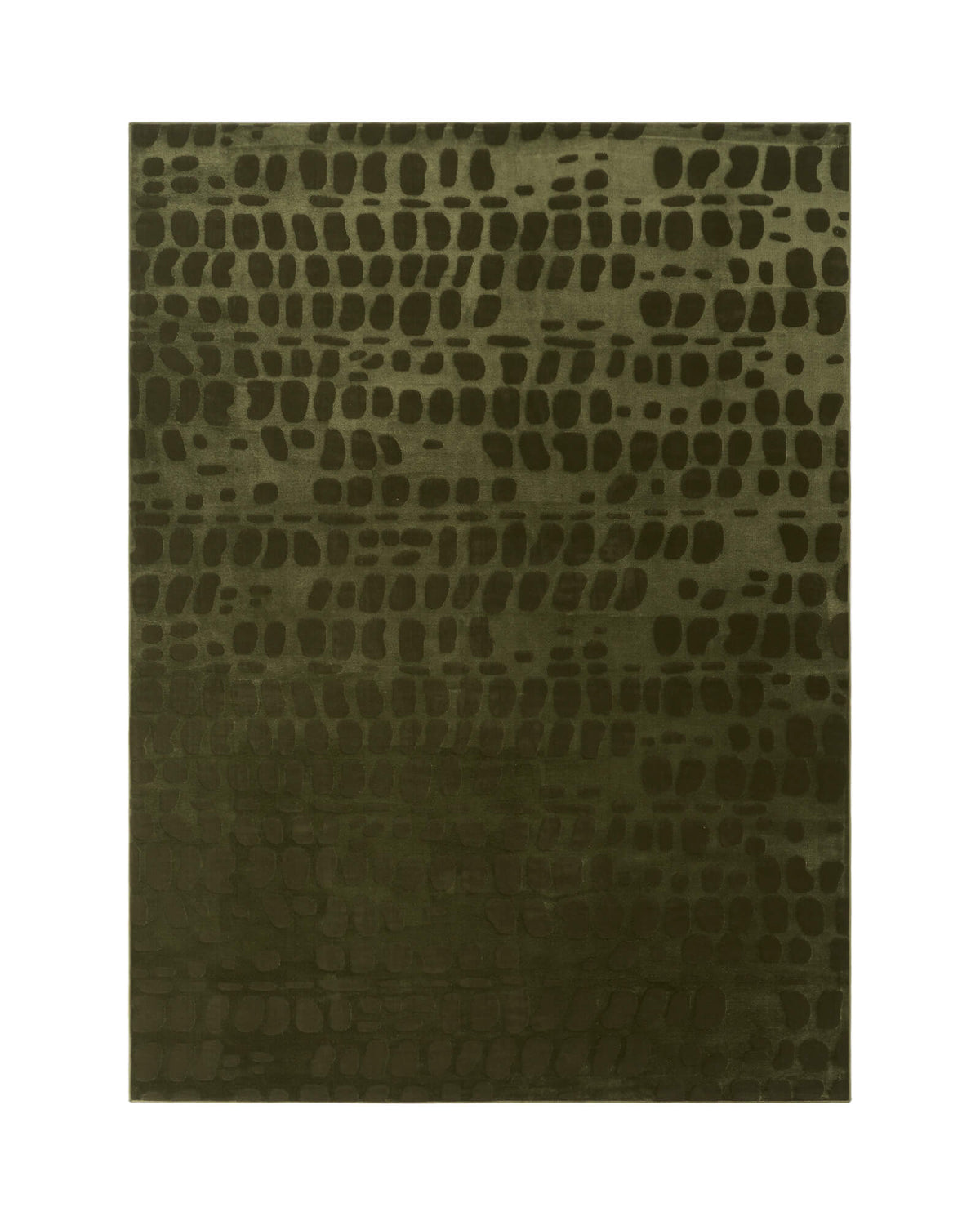
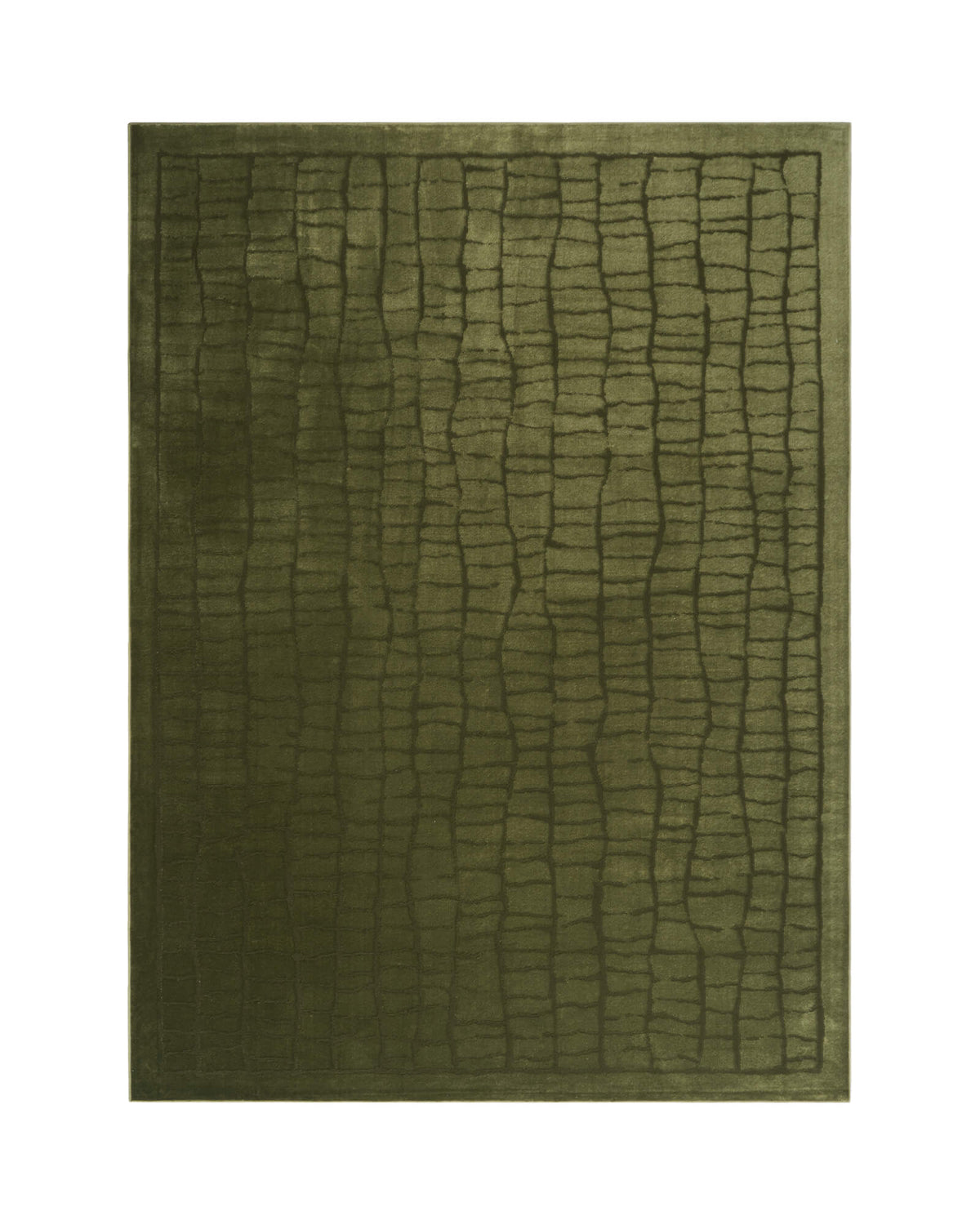
A Guide to Wilton Area Rugs When choosing an area rug, it's easy to focus on the things you can immediately see: color, pattern, size, and style. But how a rug is made can be just as important. One construction method with a long history in rug and carpet making is Wilton weaving. Known for creating structured surfaces and detailed woven patterns, Wilton construction offers a different look and feel from rugs where designs are simply printed onto the surface. For modern homes, that difference can translate into an area rug with more visible texture, pattern definition, and a substantial woven appearance. So, what exactly is a Wilton woven rug, and what makes it different? In this guide, we'll explore: What Wilton weaving means How Wilton woven rugs are made How Jacquard technology is used in rug design Wilton woven vs. printed rugs Wilton woven vs. tufted rugs Why woven construction works beautifully for large area rugs How to choose a Wilton woven rug for your home What Is a Wilton Woven Rug? A Wilton woven rug is produced on a specialized loom using a weaving process that interlaces yarns to form the rug structure. Unlike tufted construction, where pile yarns are inserted through a separate primary backing, woven construction brings different yarn systems together on the loom as the rug is being formed. This is one of the defining characteristics of woven rugs. Wilton weaving can also work with Jacquard pattern-control technology, allowing different yarns to create detailed patterns and variations across the rug surface. The result is a rug where the construction itself contributes to the way the pattern and texture appear. A Brief History of Wilton Weaving The name Wilton comes from Wilton, England, an area historically associated with carpet weaving. Over time, developments in power looms and Jacquard technology made it possible to produce increasingly detailed woven carpet patterns by machine. Wilton eventually became recognized as one of the principal forms of woven carpet construction alongside Axminster and velvet weaving. Today, modern manufacturing has made it possible to bring this traditional weaving concept into area rugs suited to contemporary homes. The result doesn't have to feel formal or old-fashioned. Depending on the yarn, pattern, color palette, and finishing, a Wilton woven area rug can look: Vintage Traditional Transitional Minimal Organic modern Contemporary That versatility is one reason the construction remains relevant in modern rug design. How Is a Wilton Woven Rug Made? The easiest way to understand Wilton construction is to think about the rug as a textile being built through interlacing yarns. During weaving, lengthwise yarns and widthwise yarns work together on the loom to form the rug structure. Depending on the specific construction, additional yarn systems can contribute to the pile and overall stability of the finished rug. Instead of beginning with a separate surface and simply adding a decorative image afterward, the weaving process helps create the physical character of the rug itself. That distinction becomes particularly noticeable when you look closely at the surface. A woven rug may show subtle changes in: Texture Yarn direction Pattern definition Surface depth Light and shadow These details give woven area rugs much of their visual character. What Does Jacquard Mean in a Wilton Rug? You'll often see the terms Wilton woven and Jacquard used together. They are related, but they don't mean exactly the same thing. Wilton refers to a type of woven rug or carpet construction. Jacquard refers to a mechanism or pattern-control system that allows the loom to control yarns to produce more complex designs. In practical terms, Jacquard technology can make it possible to create: Detailed ornamental motifs Geometric patterns Repeating florals Decorative borders Curved lines Layered visual effects More complex pattern arrangements For an area rug, this matters because the pattern can feel more connected to the textile structure rather than appearing only as a flat graphic on the surface. Wilton Woven Rugs vs. Printed Rugs One of the easiest ways to understand the appeal of Wilton construction is to compare it with printed rugs. Neither method is automatically "better." They simply create different products for different needs. Printed Rugs With a printed rug, the visual design is applied to the surface of the rug. Printing makes it possible to create: Highly detailed artwork Large color variations Distressed effects Complex vintage-inspired designs Lightweight and practical everyday rugs Printed rugs can be an excellent choice when washability, easy maintenance, and a wide variety of designs are priorities. Wilton Woven Rugs With a Wilton woven rug, weaving plays a direct role in creating the surface and pattern. This can give the rug: More visible textile texture Greater visual depth Defined woven details A more structured appearance Subtle dimension as light moves across the surface The difference is especially noticeable in larger rugs, where the woven pattern has more room to develop across the floor. Wilton Woven Rugs vs. Tufted Rugs Wilton woven rugs are also different from tufted rugs. How Tufted Rugs Are Made In tufted construction, yarn is inserted through a primary backing using needles or tufting equipment. The pile is created first, and additional backing materials may then be added to help stabilize the finished rug. Tufting is widely used because it can produce many different textures and styles efficiently. How Wilton Woven Rugs Are Different Wilton rugs are produced through weaving rather than inserting pile yarn into an existing primary backing. This difference affects how the rug is physically constructed and can influence its: Surface appearance Pattern structure Texture Overall feel However, construction alone doesn't determine the quality or durability of a rug. Fiber type, yarn quality, density, finishing, backing, and intended use are also important. That's why it's better to think of Wilton weaving as a distinct construction method, rather than assuming every woven rug will automatically outperform every tufted rug. Why Wilton Weaving Works So Well for Area Rugs Large area rugs occupy a significant amount of visual space. A 5' x 7', 6' x 9', 8' x 10', or 9' x 12' rug can become one of the largest decorative elements in a room. That makes surface detail especially important. Wilton weaving gives designers another way to introduce character beyond color alone. 1. Woven Texture Adds Visual Depth A flat image and a woven textile interact with light differently. When yarns create subtle surface variation, the appearance of the rug can shift slightly depending on: Viewing angle Natural light Room lighting Furniture placement This gives a large rug more dimension without requiring an overly bold pattern. For neutral interiors in particular, texture can become part of the design. A beige or cream rug doesn't need dramatic color contrast when its woven surface already provides visual interest. 2. Detailed Patterns Work Beautifully at a Larger Scale Area rugs provide a large canvas for pattern. Wilton and Jacquard weaving can be particularly effective for designs such as: Floral motifs Medallions Geometric forms Flowing curves Repeating botanicals Decorative borders Abstract lines Tonal patterns On an 8' x 10' or 9' x 12' rug, these elements can become part of the architecture of the room rather than simply decoration underneath furniture. 3. Woven Designs Can Feel More Subtle Not every statement rug needs strong color. One of the advantages of woven design is that pattern can also come from texture and yarn interaction. Imagine a warm beige rug with flowing curved lines woven into the surface. From a distance, it may look calm and minimal. As you move closer, the woven details become more noticeable. This makes textured Wilton rugs especially suitable for styles such as: Organic modern Warm contemporary Minimal Japandi Transitional Modern neutral interiors 4. It Works with Traditional Designs Too Wilton weaving isn't limited to modern rugs. Its ability to create controlled patterns also makes it well suited to traditional and vintage-inspired designs. A large woven rug can incorporate: Central medallions Ornamental borders Floral vines Repeating motifs Classic geometric elements Combined with softer colors or a gently aged visual treatment, these patterns can bring traditional character into a modern home without making the space feel overly formal. Where to Use a Wilton Woven Area Rug A large woven rug can help anchor furniture while bringing additional texture into a room. Living Room The living room is one of the most natural places for a Wilton woven area rug. An 8' x 10' or 9' x 12' rug can help visually connect: Sofa Accent chairs Coffee table Side tables For a balanced arrangement, consider placing at least the front legs of the main seating furniture on the rug. The woven pattern then becomes the visual foundation for the entire conversation area. Bedroom A large rug underneath the bed adds softness and helps frame the sleeping area. Neutral woven patterns work particularly well here because they add interest without making the room feel visually busy. Depending on your bed and room dimensions, an 8' x 10' or 9' x 12' rug can provide generous coverage around the sides and foot of the bed. Dining Room A woven area rug can help define a dining zone, particularly in an open-plan home. Choose a rug large enough for the dining chairs to remain comfortably on the rug when pulled away from the table. Patterns can also help give a dining area more character while visually connecting the table and chairs. Home Office For an office, woven texture can introduce warmth to a room that might otherwise feel overly functional. A low-profile area rug underneath the desk can visually define the workspace while adding another layer of design. How to Choose a Wilton Woven Area Rug Construction is important, but it shouldn't be the only factor you consider. Think about how the rug will actually work in your room. Consider the Size First Before choosing the pattern, measure your furniture arrangement. Common area rug sizes include: 5' x 7' — smaller rooms and compact furniture arrangements 6' x 9' — bedrooms, offices, and medium seating areas 8' x 10' — standard living rooms, bedrooms, and dining spaces 9' x 12' — larger living rooms and open furniture arrangements A rug that is appropriately scaled to the furniture usually makes a greater visual impact than a beautiful rug that's too small for the room. Look at the Pattern Scale For large rooms, medium-to-large patterns can create a stronger visual foundation. For smaller or heavily furnished rooms, quieter patterns may prevent the space from feeling crowded. Think About Color and Texture Together If your furniture already contains several colors and patterns, consider a more restrained rug. If your room is primarily neutral, a textured or patterned Wilton rug can become the focal point. Beige, brown, cream, gray, and other natural tones are especially useful when you want the woven texture to do more of the visual work. Match the Rug to Your Lifestyle Construction is only one part of choosing an area rug. Also consider: Cleaning requirements Foot traffic Children and pets Furniture placement Floor type How frequently the room is used A beautiful rug should work with your everyday routine—not against it. Are Wilton Woven Rugs Durable? Wilton weaving creates an integrated woven structure, but it's important not to judge durability based on the word "Wilton" alone. A rug's long-term performance also depends on factors such as: Fiber Yarn construction Weave density Pile structure Finishing Backing Care Amount of foot traffic This is why two Wilton woven rugs can perform differently even though they use the same general manufacturing method. When shopping, look at the complete product specifications rather than construction alone. Are Wilton Rugs the Same as Handmade Rugs? No. This is an important distinction. Wilton weaving is a machine-woven construction, while handmade rugs may be: Hand-knotted Hand-woven Hand-tufted Modern Wilton looms allow manufacturers to create detailed woven designs efficiently and consistently. The result can have some of the visual depth people associate with traditional textile craftsmanship, but a Wilton woven rug should not be described as handmade unless it genuinely includes a handmade process. Are Wilton Woven Rugs Expensive? Not necessarily. Historically, woven carpet has often been associated with more elaborate manufacturing, but modern production means Wilton construction can now appear across different price ranges. Price depends on much more than weaving method, including: Rug size Fiber Yarn quality Pattern complexity Density Finishing Brand and manufacturing process For homeowners, this means a woven look doesn't have to be reserved only for formal or luxury interiors. Wilton Woven Rugs in Modern Homes Perhaps the most interesting thing about Wilton weaving is how easily an established rug-making technique can adapt to modern design. Today, homeowners aren't necessarily looking for rooms that feel perfectly formal. They want spaces that feel: Comfortable Warm Personal Practical Lived-in A woven area rug fits naturally into that approach. The pattern can be traditional or modern. The palette can be colorful or neutral. The room can be carefully styled or comfortably imperfect. What the woven construction adds is another layer of texture and detail beneath everyday life. FAQs About Wilton Woven Rugs What is a Wilton woven rug? A Wilton woven rug is produced on a loom using a weaving process in which yarn systems are interlaced to create the rug structure. Wilton looms can also use Jacquard pattern-control technology to produce detailed designs. Is a Wilton rug woven or tufted? Wilton is a woven construction. Tufted rugs use a different process in which pile yarn is inserted through a primary backing. Is a Wilton rug the same as a Jacquard rug? Not exactly. Wilton refers to the woven construction, while Jacquard refers to technology used to control yarns and create patterns. The two can be used together. Are Wilton rugs good for living rooms? They can be an excellent choice for living rooms. Their woven texture and pattern definition work particularly well on larger rug sizes that anchor sofas, chairs, and coffee tables. Are Wilton woven rugs handmade? No. Wilton rugs are machine woven. They should not be confused with hand-knotted, hand-woven, or hand-tufted rugs. Are Wilton woven rugs better than printed rugs? Neither is universally better. Wilton woven rugs offer textile texture and woven pattern definition, while printed rugs can provide extensive design flexibility and practical features depending on their construction. What size Wilton rug should I choose for a living room? For many living rooms, an 8' x 10' rug provides good coverage, while larger seating arrangements may benefit from a 9' x 12'. Always measure your furniture layout before choosing. Can Wilton woven rugs have modern patterns? Yes. Wilton weaving isn't limited to traditional patterns. Modern designs can include flowing lines, geometric forms, tonal textures, abstract motifs, and minimalist patterns. Final Thoughts A beautiful area rug isn't defined by pattern alone. How the rug is constructed can influence its texture, dimension, and overall presence in a room. Wilton weaving brings together an established weaving technique and modern pattern technology to create area rugs with detailed surfaces and distinctive woven character. For large rugs in particular, this construction gives pattern and texture more room to become part of the interior itself. From a softly textured neutral rug underneath a modern sofa to an ornate vintage-inspired design anchoring a traditional living room, Wilton woven area rugs can adapt to many different ways of living. It's not simply about choosing something decorative for the floor. It's about choosing a foundation that brings the entire room together. Related Articles What Size Area Rug for a Living Room? How to Position a Rug in a Living Room How to Choose Rug Color Best Rugs for High-Traffic Areas Explore MontVooRugs Area Rugs Discover area rugs designed to bring warmth, texture, and character to everyday spaces. From vintage-inspired patterns to understated modern designs, find a rug that helps bring your room together. 👉 Shop Area Rugs:https://montvoorugs.com/collections/area-rug
Aprende más
How to Replace Stair Treads
Stair treads are designed to make everyday stairs safer, quieter, and more comfortable. But after years of foot traffic, repeated cleaning, changes in décor, or normal wear, you may eventually want to replace them with a fresh set. The good news is that replacing stair treads doesn't have to be complicated. Whether you're replacing adhesive stair treads or non-adhesive stair treads, the key is to remove the old treads carefully, clean the stair surface thoroughly, and install the new set on a clean, dry surface. In this guide, you'll learn: When stair treads should be replaced How to remove old adhesive stair treads How to replace non-adhesive stair treads How to prepare your stairs for new treads How to install your replacement stair treads How to keep new stair treads looking and performing their best When Should You Replace Stair Treads? Stair treads don't necessarily need to be replaced simply because they're older. Their condition and performance matter more than age alone. Consider replacing them when you notice: Significant wear in high-traffic areas Fraying or damaged edges Corners that no longer stay flat Reduced grip Permanent stains or discoloration Damage that cannot be corrected through cleaning A change in your home's style or color palette If your stair treads are simply dirty, cleaning may be enough. MontVooRugs stair treads are machine washable, so replacement isn't always the first solution. However, if the treads are damaged or no longer provide the grip and coverage you need, a new set may be the better option. Before You Replace Your Stair Treads Before removing anything, take a look at your existing installation. Determine whether you currently have: Adhesive Stair Treads These use an adhesive backing that attaches the tread directly to the stair surface. Non-Adhesive Stair Treads These primarily rely on a special anti-slip backing to grip the stair. MontVooRugs non-adhesive stair treads also include optional double-sided tape. This tape is intended to secure the four corners and help prevent them from lifting or curling—it is not intended to attach the entire back of the tread to the stair. Knowing which type you have will make removal and replacement easier. How to Remove Adhesive Stair Treads Adhesive treads should be removed carefully, especially from finished hardwood or marble stairs. Step 1: Start at One Corner Choose one corner of the old tread and gently lift it. Avoid pulling upward aggressively. Instead, begin separating the tread from the stair slowly. Step 2: Peel the Tread Back Gradually Once you've lifted a corner, slowly peel the tread back across the step. Use steady, controlled pressure rather than pulling suddenly. This helps reduce unnecessary stress on the stair surface. Step 3: Check the Stair Surface After removing the tread, inspect the stair. Under normal household use, MontVooRugs adhesive backing is designed not to leave noticeable sticky residue on properly sealed surfaces. However, results can vary depending on the condition and finish of the stairs, length of use, humidity, and other factors. If you notice any residue, follow the cleaning recommendations appropriate for your particular flooring material and finish. Avoid aggressive scraping that could damage the surface. How to Remove Non-Adhesive Stair Treads Replacing non-adhesive stair treads is generally even simpler. Because the tread itself isn't fully attached to the stair with adhesive, you can usually: Lift the old tread from the stair Remove any optional corner tape that was used Inspect the stair surface Clean away dust, hair, or debris Allow the stair to dry completely If you used the included double-sided tape, remember that it should only have been placed beneath the four corners for additional reinforcement. The primary grip comes from the non-slip backing—not from covering the entire underside with tape. Clean Your Stairs Before Installing New Treads Don't place your replacement stair treads directly over dust or debris left behind from the previous set. Proper surface preparation can make a significant difference in how well your new treads stay in place. Step 1: Remove Dust and Debris Vacuum or sweep each step carefully. Pay particular attention to: Corners Edges Pet hair Fine dust Step 2: Clean the Surface If Necessary If your stairs require deeper cleaning, use a cleaning method appropriate for the flooring material. Follow the care recommendations for your hardwood, marble, or other finished surface. Step 3: Let the Stairs Dry Completely This step is important. Before installing new stair treads, the stairs should be: Clean Dry Smooth Free from loose debris Do not install new treads over a damp surface. Should You Replace All Stair Treads at Once? Not always. If only one tread is damaged, replacing an individual piece may be possible if the same style is available. However, replacing the complete set can make sense when: Several pieces show similar wear The existing treads are older Colors have changed over time You want consistent grip and appearance You're changing your staircase style A complete replacement also gives you an opportunity to clean and inspect every stair before reinstalling new treads. How to Install Replacement Adhesive Stair Treads Once your stairs are clean and completely dry, you can install the new set. Step 1: Test the Position Before Peeling Place each tread on the stair without removing the protective film. Check: Centering Distance from the stair edges Alignment with the other steps Doing this first prevents unnecessary repositioning later. Step 2: Remove the Protective Film Carefully peel the plastic protective layer from the adhesive backing. Try not to touch the adhesive surface more than necessary. Step 3: Position the New Tread Place the tread carefully onto the stair. Make sure it's properly aligned before pressing firmly. Step 4: Press Across the Surface Press the tread evenly against the stair, paying particular attention to the edges and corners. Repeat the same positioning method on each step to maintain a consistent appearance throughout the staircase. How to Install Replacement Non-Adhesive Stair Treads Non-adhesive treads use a different installation method. Step 1: Position the Tread Place the tread directly onto the clean, dry stair. Adjust it until the spacing looks even. Step 2: Press the Tread Flat Press lightly across the surface so the anti-slip backing makes good contact with the stair. The backing itself provides the primary grip. Step 3: Check the Four Corners Look closely at each corner after positioning the tread. If the tread lies flat and remains stable, additional tape may not be necessary. Step 4: Add the Included Double-Sided Tape If Needed If you notice that a corner needs additional reinforcement, use the included double-sided tape underneath that corner. The tape is designed only to help secure the four corners and prevent lifting or curling. You do not need to apply tape across the entire underside of the stair tread. This keeps installation simple while allowing the non-slip backing to perform its primary function. How to Keep Replacement Stair Treads in Good Condition Once your new treads are installed, simple routine maintenance can help keep them looking fresh. Vacuum Regularly Stairs naturally collect: Dust Hair Pet fur Small debris Regular vacuuming helps prevent this material from building up around or underneath the treads. Clean Spills Early Address spills and stains as soon as practical instead of allowing them to settle into the surface. Keep the Backing Clean This is particularly important for non-adhesive treads. If dust, lint, or pet hair accumulates underneath, clean both the stair surface and backing before repositioning the tread. Wash When Necessary MontVooRugs stair treads are machine washable. Keep in mind that repeated washing may gradually reduce the adhesive strength of adhesive styles over time. Adhesive or Non-Adhesive: Which Should You Choose When Replacing? Replacing your existing stair treads is also a good opportunity to decide whether the same installation type still fits your needs. Choose Adhesive Stair Treads If: You prefer a more secure adhesive hold Your stairs experience frequent traffic You want a more fixed installation Choose Non-Adhesive Stair Treads If: You want easier removal and repositioning You prefer not to attach the entire tread with adhesive You want a flexible option for everyday use The included corner tape provides optional reinforcement when needed without turning the entire tread into a fully adhesive installation. FAQs About Replacing Stair Treads How do you replace stair treads? Remove the existing tread carefully, clean and completely dry the stair surface, then position and install the replacement according to whether it's an adhesive or non-adhesive design. Can you replace stair treads without damaging hardwood stairs? Stair treads should always be removed slowly and carefully. The condition and finish of the hardwood can affect removal, so avoid aggressive pulling or scraping. How do I remove adhesive stair treads? Start at one corner and slowly peel the tread away using steady pressure. Avoid quickly pulling or tearing it away from the stair. Do adhesive stair treads leave sticky residue? MontVooRugs adhesive treads are designed not to leave noticeable sticky residue on properly sealed surfaces under normal household use. Results can vary depending on the floor finish, surface condition, environment, and length of installation. How do I replace non-adhesive stair treads? Simply lift the old tread, remove any optional corner tape, clean and dry the stair, and place the new tread directly onto the surface. Why do non-adhesive stair treads come with tape? The included double-sided tape is an optional reinforcement for the four corners. It helps prevent corners from lifting or curling and is not intended to attach the entire underside of the tread. Can I reuse old stair treads? If the treads remain in good condition and their backing still performs properly, replacement may not be necessary. Inspect them for damage, excessive wear, and reduced grip before reinstalling. Can stair treads be washed before reinstalling them? Yes. MontVooRugs stair treads are machine washable. Make sure they are completely dry before placing them back on the stairs. Repeated washing can gradually weaken the adhesive backing of adhesive styles. Should I replace all my stair treads at the same time? Not necessarily. If only one piece is damaged and a matching replacement is available, you may be able to replace it individually. A complete set can provide a more consistent appearance when several pieces are worn. Final Thoughts Replacing stair treads is a simple way to refresh your staircase without making major changes to your home. The process comes down to four basic steps: Remove the old treads carefully Clean and completely dry the stairs Position the replacement treads consistently Install them according to their backing type For adhesive treads, careful placement helps create a secure installation. For non-adhesive treads, remember that the anti-slip backing provides the primary grip, while the included double-sided tape is simply an optional way to keep the four corners flat. With proper installation and regular care, your new stair treads can help make one of the busiest areas of your home feel safer, quieter, and more comfortable. Related Articles How to Install Stair Treads Adhesive vs Non-Adhesive Stair Treads: Which Is Better? How to Keep Stair Treads from Moving Do Stair Treads Damage Hardwood Floors? How to Measure Stairs for Stair Treads Shop MontVooRugs Stair Treads Explore stair treads designed for comfortable everyday living, with adhesive and non-adhesive options for different household needs. 👉 Shop Stair Treads:https://montvoorugs.com/collections/stair-treads
Aprende más
Do Wool Rugs Shed?
What to Expect from a New Wool Rug If you're considering bringing a wool rug into your home, you may have come across one concern again and again: Do wool rugs shed? The short answer is yes—some shedding is completely normal, especially when a wool rug is new. Wool is a natural fiber, and newly made wool rugs can release loose fibers during their first weeks or months of use. This doesn't automatically mean your rug is damaged or poorly made. In many cases, it's simply part of the rug settling into your home. The amount of shedding can vary depending on the wool, pile, construction, and craftsmanship of the rug. In this guide, we'll explain: Why wool rugs shed How long wool rug shedding can last Whether handmade wool rugs shed How to reduce shedding When shedding may be a concern What to consider before choosing a wool area rug Why Do Wool Rugs Shed? Wool is made up of natural fibers that are spun into yarn before being used to create a rug. During spinning, weaving, tufting, trimming, and finishing, some shorter or loose fibers can remain within the pile. Once the rug enters your home, everyday foot traffic and vacuuming gradually bring those loose fibers to the surface. This is the fuzz you may notice: On top of the rug Around its edges On socks or clothing Inside your vacuum For a new wool rug, a certain amount of this fiber release is expected. It is important to distinguish normal initial shedding from actual deterioration. Seeing loose fibers during the break-in period does not necessarily mean the rug itself is coming apart. Is It Normal for a New Wool Rug to Shed? Yes. New wool rugs commonly shed more during their initial period of use. As loose fibers gradually work their way out of the pile, the amount of shedding should generally decrease. You may notice more fibers after: Walking across the rug Moving furniture Vacuuming Using the rug in a high-traffic room Rather than expecting absolutely zero shedding from natural wool, look for a gradual reduction over time. How Long Do Wool Rugs Shed? There isn't one exact timeline that applies to every wool rug. Construction, fiber length, pile height, traffic, and care can all influence how quickly a rug settles. For many new wool rugs, the most noticeable shedding occurs during the first few weeks to several months. After this initial period, shedding should gradually become less noticeable. Some wool rugs may continue to release occasional fibers throughout their life because wool is a natural material. Light, occasional fiber loss is different from continuous heavy shedding. Do Handmade Wool Rugs Shed? Yes, handmade wool rugs can shed, particularly when they are new. However, "handmade" covers several different construction methods, and the amount of shedding can vary considerably between them. Hand-Knotted Wool Rugs In a hand-knotted rug, individual knots are tied into the rug foundation. Because the yarn is secured through the construction itself, well-made hand-knotted wool rugs may experience relatively limited shedding once the initial loose fibers have worked their way out. Hand-Tufted Wool Rugs Hand-tufted rugs are constructed differently. Wool yarn is inserted through a backing using a tufting tool rather than individually tied into knots. These rugs can experience more noticeable initial shedding depending on the fiber, pile, density, and finishing process. Hand-Woven Wool Rugs Hand-woven rugs can also vary significantly depending on their specific weave and pile construction. This is why it's better to look at both the material and construction method when evaluating a wool rug rather than assuming all handmade rugs will behave the same way. Does Wool Rug Shedding Mean Poor Quality? Not necessarily. One of the biggest misconceptions about wool rugs is that any shedding means something is wrong. Initial shedding can simply come from loose short fibers remaining after production. Factors that influence shedding include: Wool fiber quality Fiber length Yarn construction Rug density Pile height Construction method Finishing Everyday traffic A better indicator is how the shedding develops over time. Normal initial shedding should generally become less noticeable as the rug settles. How to Reduce Wool Rug Shedding You can't completely prevent a new wool rug from releasing loose fibers, but proper care can help manage the process. 1. Vacuum Gently Regular, gentle vacuuming helps collect loose fibers as they reach the surface. For wool rugs, avoid aggressive vacuuming whenever possible. A suction-only setting or a vacuum with the rotating beater bar turned off is generally a gentler choice. 2. Don't Over-Vacuum Seeing fibers in your vacuum can make you want to vacuum repeatedly until they disappear. That isn't necessary. Excessively aggressive vacuuming can place additional stress on the rug pile. Instead, maintain a consistent and gentle cleaning routine. 3. Never Pull Loose Fibers Occasionally, you may notice an individual strand extending above the rug surface. Don't pull it. Pulling can disturb surrounding fibers or the rug construction. If necessary, carefully trim the loose fiber level with the surrounding pile using scissors. 4. Rotate Your Rug Foot traffic tends to concentrate in particular areas of a room. Rotating your rug periodically helps distribute wear more evenly, especially in: Living rooms Dining rooms Bedrooms Home offices 5. Use a Rug Pad A suitable rug pad can provide additional cushioning and help reduce movement between the rug and floor. It can also make a wool rug feel even more comfortable underfoot. When Should You Be Concerned About Wool Rug Shedding? Some shedding is expected, but there is a difference between normal fiber release and a potential problem. Consider taking a closer look if: Heavy shedding doesn't decrease over an extended period The shedding suddenly becomes significantly worse Visible bald or thin patches develop The rug's foundation becomes visible Large sections of pile begin pulling free These signs are different from the light fuzz commonly associated with a new wool rug. If you're uncertain, contacting the rug manufacturer or a professional rug-care specialist is usually the safest approach. Do Wool Rugs Shed More Than Synthetic Rugs? Generally, natural wool rugs are more likely to experience noticeable initial shedding than many synthetic rugs. Synthetic fibers such as polyester and polypropylene behave differently from natural wool and are often selected for low-maintenance rug constructions. But that doesn't automatically make one material better than the other. The right choice depends on what matters most to you. Wool Rugs Often chosen for: Natural fiber construction Rich texture Soft, substantial feel Timeless appearance Traditional craftsmanship Synthetic Rugs Often chosen for: Easy maintenance Washable options Lightweight construction Busy family spaces Indoor/outdoor applications Rather than asking which material is universally better, consider how and where you plan to use your rug. Why Choose a Handmade Wool Area Rug? There is something distinctly different about a handmade wool rug. Natural wool brings warmth, texture, and subtle variation that can give a room a more collected, lived-in character. Handcrafted construction can also create small variations in texture and appearance, giving each piece its own personality rather than the completely uniform finish associated with mass-produced designs. Wool area rugs work particularly well in: Living rooms Bedrooms Dining rooms Reading spaces Home offices They're especially appealing for homeowners who appreciate natural materials, tactile texture, and pieces made with a greater emphasis on craftsmanship. A New Chapter for MontVooRugs: Handcrafted Pure Wool Rugs At MontVooRugs, we've always believed that different homes—and different corners within those homes—need different types of rugs. Our current collections focus on practical solutions for everyday living, from washable area rugs to durable Indoor/Outdoor rugs and stair treads. Now, we're preparing to explore something more natural and craft-focused. MontVooRugs plans to introduce a new collection of handcrafted pure wool area rugs from late 2026 to early 2027. The upcoming collection will bring natural wool together with handcrafted construction, offering a new option for homes looking for richer texture, timeless character, and the distinctive feel of a natural-fiber rug. More details will be shared as the collection gets closer to launch. How to Decide If a Wool Rug Is Right for You A wool rug may be a great fit if you value: Natural materials Soft, substantial texture Handcrafted character Timeless interior style Long-term home pieces However, you should also be comfortable with the natural characteristics of wool—including some initial shedding. If your priority is something that can be frequently machine washed or used outdoors, a synthetic washable or Indoor/Outdoor rug may be a more practical choice. For spaces where texture, natural material, and craftsmanship matter most, wool offers an entirely different experience. FAQs About Wool Rug Shedding Do wool rugs shed? Yes. New wool rugs commonly release some loose fibers, particularly during their initial period of use. This is generally a normal characteristic of natural wool. Why is my new wool rug shedding so much? New rugs can contain short and loose fibers left within the pile during production and finishing. Walking and vacuuming gradually bring these fibers to the surface. Do wool rugs ever stop shedding? The noticeable initial shedding should gradually decrease. Some wool rugs may continue to release occasional fibers because wool is a natural material. How long does a new wool rug shed? It varies according to construction, pile, wool quality, and use. Noticeable shedding commonly occurs during the first few weeks or months and should gradually become less pronounced. How do I stop a wool rug from shedding? You can't completely eliminate the natural initial shedding process, but gentle vacuuming, avoiding aggressive brushes, rotating the rug, and never pulling loose fibers can help manage it. Can I vacuum a wool rug? Yes, but gentle cleaning is important. A suction-only setting or vacuum with the rotating beater bar turned off is generally preferable. Does shedding mean my wool rug is low quality? No. Initial shedding alone isn't a reliable indicator of quality. Construction, wool fiber quality, pile, and finishing all influence how much a rug sheds. Do handmade wool rugs shed? They can. The amount varies depending on whether the rug is hand-knotted, hand-tufted, hand-woven, or made using another construction method. Final Thoughts So, do wool rugs shed? Yes—especially when they're new. But a small amount of initial shedding is a natural characteristic of many wool rugs rather than an immediate sign of poor quality. Understanding what to expect makes living with natural wool much easier. Give your new rug time to settle, vacuum it gently, avoid pulling loose fibers, and pay attention to whether shedding gradually decreases. In return, wool offers something difficult to replicate with synthetic materials: natural texture, warmth, character, and a beautifully tactile foundation for your home. And with MontVooRugs' handcrafted pure wool area rug collection planned for late 2026 to early 2027, there will soon be a new way to bring that natural warmth into your space. Related Articles What Size Area Rug for Living Room? How to Position a Rug in a Living Room How to Choose Rug Color Best Rugs for High-Traffic Areas Explore MontVooRugs Area Rugs While our handcrafted wool collection is still on the way, explore our current washable area rugs designed for comfortable, easy everyday living. 👉 Shop Area Rugs:https://montvoorugs.com/collections/area-rug
Aprende más
How to Position a Rug in a Living Room?
A Complete Placement Guide An area rug can completely change the way a living room looks and feels. Beyond adding color, pattern, and softness, the right rug placement helps connect your sofa, chairs, and coffee table into one comfortable and balanced seating area. But where exactly should a rug go in a living room? Should the sofa sit completely on the rug? Is it okay to place only the front legs on it? And how far should the rug extend beyond your furniture? There isn't one placement that works for every room. The best position depends on your rug size, furniture arrangement, room dimensions, and the overall look you want to create. In this guide, you'll learn: How to position a rug in a living room The three most common rug placement layouts How to place a rug with a sectional How much rug should extend beyond your furniture Common placement mistakes to avoid How to choose the right rug for everyday living Why Rug Placement Matters in a Living Room A living room rug acts as a visual anchor for your furniture. When positioned correctly, it can: Define the seating area Connect separate pieces of furniture Make the room feel more balanced Add warmth and softness underfoot Create a more intentional layout Help an open floor plan feel organized When a rug is positioned incorrectly—especially when it's too small or sits too far away from the furniture—the room can feel disconnected. The goal is to make the rug feel like part of the furniture arrangement rather than a separate decorative piece. Before Positioning Your Rug, Look at the Entire Room Before moving furniture, take a moment to look at the overall layout. Consider: Room dimensions Sofa size Number of chairs Coffee table placement Doorways Walking paths Fireplace or TV location Other furniture in the room Your rug should support the natural flow of the space rather than interfere with it. If you're buying a new rug, measure the room and furniture arrangement before choosing a size. Option 1: Place All Furniture on the Rug Placing the entire seating arrangement on the rug creates one of the most cohesive living room layouts. The sofa, chairs, and coffee table all sit completely within the rug. Best For This arrangement works especially well in: Large living rooms Open floor plans Spacious family rooms Formal seating areas Why It Works A large rug visually connects all of the furniture and clearly defines the seating area. It can also make a large room feel warmer and more intentional. For this arrangement, larger rug sizes such as 9' x 12' are often more suitable, depending on the dimensions of your furniture and room. Option 2: Place the Front Legs of the Sofa on the Rug This is one of the most versatile and popular living room rug placements. Instead of placing the entire sofa on the rug, position it so that only the front legs rest on the rug. The coffee table should generally sit completely on the rug, while accent chairs can also have their front legs resting on it. Best For This layout works well in: Small to medium living rooms Apartments Standard family rooms Rooms with an 8' x 10' area rug Why It Works The rug still connects the furniture visually without requiring an oversized rug. It creates a balanced transition between the flooring, rug, and furniture while keeping the seating area feeling unified. Option 3: Place the Rug in the Center of the Seating Area In smaller living rooms, you may choose to position a smaller rug in the center of the furniture arrangement. The coffee table sits on the rug while the sofa and chairs remain off it. Best For This setup can work in: Compact apartments Small living rooms Conversation areas Rooms where furniture sits close together However, proportion is especially important. If the rug is significantly smaller than the seating arrangement, it can look like it's floating in the middle of the room. Whenever possible, choose a rug large enough to visually connect with the surrounding furniture. How to Position a Rug with a Sectional Sofa Sectional sofas create larger seating zones, so rug placement becomes particularly important. For a Small Sectional An 8' x 10' rug can often work well. Position the rug so that: The front legs of the sectional sit on it The coffee table is centered on the rug The rug extends beyond the inner seating area For a Large Sectional Consider a 9' x 12' rug or larger, depending on your room. A larger rug can extend underneath more of the sectional and help balance its visual weight. Avoid placing a very small rug in front of a large sectional. The difference in scale can make the room feel unbalanced. How Far Should a Rug Extend Beyond a Sofa? Ideally, your rug shouldn't end exactly at the edges of your sofa. Allowing some rug to extend beyond the sofa helps the arrangement feel more spacious and intentional. A useful starting point is approximately 6–12 inches beyond each side of the sofa, although larger rooms may benefit from even more. The exact measurement isn't a strict rule. Proportion and visual balance matter more than following one number in every room. How Much Floor Should Show Around a Living Room Rug? A living room rug usually looks best when some of the original flooring remains visible around it. Depending on your room size, approximately 8–24 inches of visible floor around the perimeter can create a natural border. Smaller rooms may need less space, while larger rooms can accommodate a wider border. Try to keep the spacing reasonably consistent so the rug doesn't look accidentally pushed toward one side of the room. Should the Coffee Table Be Centered on the Rug? In most layouts, yes. Centering the coffee table on the rug helps establish a clear focal point for the seating area. However, you should consider the furniture arrangement as a whole rather than centering the rug based only on the room itself. For example, if your sofa and chairs form a seating area toward one side of a large open room, center the rug within the seating arrangement, not necessarily within the entire room. How to Position a Rug in an Open Floor Plan Rugs are particularly useful in open-concept homes because they can visually separate different functional areas without walls. For example, one large space might contain: Living area Dining area Kitchen Reading corner Position your living room rug underneath or partially underneath the seating furniture to create a clear visual boundary. The rug essentially tells the eye: This is the living area. If you're using multiple rugs in an open space, they don't need to match exactly. Instead, coordinate their colors, patterns, or overall style so the room still feels connected. How to Position a Rug in a Small Living Room In a small room, it's tempting to choose the smallest rug possible. However, an undersized rug can actually make the room feel smaller. Instead, consider a rug large enough to reach underneath the front legs of your sofa. This helps visually expand the seating area and makes the furniture arrangement feel more connected. Light colors and softly distressed patterns can also help create a more open appearance. How to Position a Rug in a Large Living Room Large rooms need enough rug coverage to match the scale of the furniture. A small rug surrounded by large sofas and chairs may feel disconnected. For spacious living rooms: Use a larger area rug Include multiple furniture pieces on the rug Center the rug around the seating arrangement Maintain visible flooring around the perimeter A 9' x 12' rug can work well for many larger layouts, although the ideal size always depends on your actual room and furniture dimensions. Consider Walking Paths Around the Rug Good rug placement isn't only about appearance. Think about how people actually move through your living room. Avoid positioning rug edges in awkward high-traffic locations where people constantly step directly onto and off the edge. Pay particular attention to: Doorways Paths between rooms Routes around the sofa Entry points into the seating area A thoughtful layout makes the room feel more natural and comfortable to use. Common Living Room Rug Placement Mistakes Choosing a Rug That's Too Small This is one of the most common mistakes. A rug that only fits underneath the coffee table can sometimes make a larger seating arrangement feel disconnected. Whenever possible, use the rug to visually connect your major furniture pieces. Pushing the Rug Too Far Under the Sofa If almost the entire rug disappears underneath your furniture, you lose much of its decorative impact. Leave enough of the rug visible to show its color, texture, and pattern. Centering the Rug in the Room Instead of the Furniture The rug should usually relate to your seating arrangement first. In an asymmetrical or open layout, the center of the seating area may be very different from the center of the room. Ignoring Doors and Walkways Make sure your rug doesn't interfere with doors or create awkward transitions in busy walking areas. Choosing Style Without Considering Everyday Use Living rooms are often among the busiest spaces in the home. A beautiful rug should also be practical enough for your lifestyle. What Type of Rug Works Best in a Living Room? Besides size and placement, consider how the rug will perform every day. For busy living rooms, practical features include: Machine Washable Construction Living rooms are where spills, snacks, pets, kids, and everyday messes happen. A washable rug makes deeper cleaning easier. Non-Slip Backing A non-slip backing helps reduce unwanted movement and keeps the rug more stable on the floor. Low-Pile Design Low-pile rugs are easier to vacuum and maintain, making them a practical choice for frequently used spaces. Soft-Touch Surface Your living room should feel comfortable and inviting. A soft rug adds another layer of comfort underneath your seating area. At MontVooRugs, our area rugs are designed around everyday living with machine washable construction, non-slip backing, soft-touch comfort, easy maintenance, and kid & pet friendly materials. 👉 Shop Washable Area Rugs:https://montvoorugs.com/collections/area-rug FAQs About Living Room Rug Placement Where should a rug be positioned in a living room? The rug should generally be centered around the main seating arrangement. Depending on the rug size, all furniture or at least the front legs of the sofa and chairs can sit on the rug. Should a living room rug go under the couch? It doesn't need to go completely underneath the couch. One of the most popular layouts places only the front sofa legs on the rug. Should all furniture be on a living room rug? Not necessarily. In larger rooms, placing all furniture on the rug creates a cohesive look. In smaller rooms, having only the front furniture legs on the rug works well. How far should a rug go under a couch? There isn't one required measurement, but the rug should extend far enough underneath the sofa to feel securely connected to the seating arrangement rather than barely touching the legs. Should a rug be centered with the room or the couch? In most cases, center the rug according to the main seating arrangement rather than automatically centering it within the entire room. Is it better for a living room rug to be too big or too small? A slightly larger rug is generally easier to style than one that's noticeably too small. The rug should visually connect the main furniture rather than appear isolated. What size rug works best in a living room? Common living room sizes include 5' x 7', 6' x 9', 8' x 10', and 9' x 12'. An 8' x 10' rug works well in many medium-sized living rooms, while larger layouts may benefit from a 9' x 12' rug. Final Thoughts There is no single perfect rug position for every living room. The best placement depends on your: Room dimensions Rug size Sofa and chair arrangement Walking paths Overall decorating style For most homes, placing the front legs of the sofa and chairs on the rug is a versatile starting point. Larger rooms can accommodate all furniture on the rug, while compact spaces may use a smaller centered arrangement. Most importantly, think of the rug as the foundation of your seating area. When your furniture and rug feel connected, the entire living room feels warmer, more balanced, and more inviting. Related Articles What Size Area Rug for a Living Room? How to Choose Rug Color How to Match Rugs with Floor Colors What Color Rug Matches a Grey Couch? What Color Rug Matches a Brown Couch? Pet-Friendly Rugs for Living Room Shop Living Room Area Rugs MontVooRugs washable area rugs are designed to bring comfort and easy maintenance to everyday living spaces. Features include: Machine washable construction Non-slip backing Soft-touch surface Low-pile design Easy everyday maintenance Kid & pet friendly Vintage, floral, boho, abstract, and modern styles 👉 Shop Area Rugs:https://montvoorugs.com/collections/area-rug👉 Related Blogs:What Size Area Rug for Living Room?Pet-Friendly Rugs for Living RoomHow to Choose Rug Color
Aprende más
What Size Rug for Office Desk?
A Complete Home Office Rug Guide A well-chosen rug can completely transform a home office. It adds warmth, improves comfort underfoot, defines your workspace, and creates a more inviting environment for long hours of work. However, choosing the right rug size for an office desk can be confusing. Many homeowners ask: What size rug should go under an office desk? The answer depends on your desk size, chair movement, room layout, and the look you want to create. A good office rug should do more than fit under the desk—it should provide enough space for your chair to move comfortably while creating a balanced and stylish workspace. In this guide, you’ll learn: How to choose the right rug size for an office desk Best rug sizes for different desk setups How to place a rug in a home office What rug features work best for office spaces Common mistakes to avoid Why Add a Rug Under an Office Desk? An office rug is both a practical and decorative addition to your workspace. The right rug can: Create a defined work zone Add warmth to hardwood or tile floors Reduce noise Make the room feel more comfortable Protect flooring from chair movement Add personality to your office décor Whether you work from home full-time or use your office occasionally, a rug can make the space feel more complete. How to Choose the Right Rug Size for an Office Desk The most important rule when choosing an office rug is: The rug should extend beyond your desk and allow your chair to move freely. A rug that only fits under the desk may look too small and create problems when the chair rolls on and off the edge. Consider: Desk width Chair movement Room size Additional furniture Walking space Best Rug Sizes for Office Desks 5' x 7' Rug for Small Office Spaces A 5' x 7' rug works well for: Small home offices Compact desks Apartments Bedroom office corners Recommended placement: Place the desk fully on the rug Allow the chair to remain on the rug while sitting Keep some visible flooring around the edges This size creates a defined workspace without overwhelming a smaller room. 6' x 9' Rug for Standard Home Offices A 6' x 9' rug is one of the most versatile choices for a home office. It works well with: Standard desks Writing desks Computer desks Small meeting areas Benefits: More room for chair movement Better visual balance Comfortable walking space This size is a great choice for most average-sized home offices. 8' x 10' Rug for Larger Office Setups For larger workspaces, an 8' x 10' rug creates a more complete and comfortable layout. Ideal for: Executive desks Large home offices Offices with bookshelves or lounge chairs An 8' x 10' rug allows: Desk legs to sit comfortably on the rug Office chair to move freely Additional furniture to connect visually This size creates a more professional and polished appearance. 9' x 12' Rug for Spacious Home Offices Large offices can benefit from oversized rugs. A 9' x 12' rug works well for: Large executive offices Open office spaces Offices with seating areas It helps define the entire room and creates a more luxurious atmosphere. Rug Placement Ideas for an Office Desk Option 1: Rug Under the Entire Desk and Chair This is the most practical arrangement. Place the rug so: The desk sits completely on the rug The chair remains on the rug when pulled out There is enough space behind the chair Benefits: Comfortable movement More polished appearance Better floor protection Option 2: Rug Under the Desk Area Only This works for smaller rooms. The rug can sit: Under the desk Under the front chair area However, make sure the chair wheels do not constantly catch on the rug edge. Option 3: Large Rug Covering the Whole Office Area For spacious offices, a larger rug can define the entire workspace. This works especially well with: Desks Reading chairs Bookshelves Decorative furniture How Much Space Should a Rug Extend Around a Desk? Ideally, leave: 18–24 inches of extra rug space around the desk and chair area This allows: Comfortable chair movement Easier walking A more balanced design A rug that is too small may look disconnected and limit functionality. Best Rug Types for Home Offices A home office rug should combine comfort with practicality. Look for: Low-Pile Rugs Low-pile rugs are ideal for office chairs because they: Allow easier movement Work better with rolling chairs Are easier to vacuum Trap less dust Washable Rugs A washable rug is a practical choice for everyday workspaces. Benefits: Easy cleaning Fresh appearance Less maintenance Suitable for busy homes Non-Slip Backing A stable rug helps: Reduce movement Keep the workspace safer Prevent bunching This is especially useful on: Hardwood floors Tile floors Laminate flooring Soft and Comfortable Texture Since many people spend hours at their desks, a comfortable rug can make the workspace feel warmer and more inviting. Best Rug Colors for an Office The right rug color can influence the mood of your workspace. Neutral Rugs Popular choices: Beige Cream Ivory Warm gray These create a calm and professional atmosphere. Green Rugs Green rugs are a popular choice for offices because they bring a natural and relaxing feeling. Sage and olive tones work well with: Wooden desks Plants Neutral furniture Vintage Pattern Rugs Vintage rugs add character while keeping the space comfortable and stylish. They are especially practical because patterns can help hide: Dust Everyday wear Small marks Common Mistakes When Choosing an Office Rug Choosing a Rug That Is Too Small A rug should accommodate chair movement, not just the desk footprint. Ignoring Chair Movement Rolling chairs need enough space to move smoothly. Always consider how far the chair moves when you sit and stand. Choosing a High-Pile Rug Thick rugs may look cozy, but they can make chair movement more difficult. Low-pile designs usually work better in offices. Forgetting About Maintenance Office spaces can collect: Dust Coffee spills Pet hair Choose a rug that fits your cleaning routine. Why Washable Rugs Work Well in Home Offices Modern home offices are often multi-purpose spaces. They may also be used for: Video calls Reading Studying Family activities A washable area rug makes it easier to keep the room clean while maintaining a comfortable atmosphere. MontVooRugs washable area rugs feature: Machine washable construction Soft-touch comfort Non-slip backing Low-maintenance design Kid & pet friendly materials 👉 Shop Washable Area Rugs:https://montvoorugs.com/collections/area-rug FAQs About Office Desk Rug Sizes What is the best rug size under an office desk? For most home offices, a 6' x 9' or 8' x 10' rug provides enough space for the desk and chair movement. Should an office chair sit on a rug? Yes. Ideally, the rug should extend far enough so the chair stays on the rug when you move back and forth. Is a 5' x 7' rug big enough for a desk? A 5' x 7' rug can work for small desks and compact offices, but larger desks usually need more space. What rug works best with a rolling office chair? Low-pile rugs are usually the best choice because they allow smoother chair movement. Can I put a rug under a desk on hardwood floors? Yes. A rug can add comfort, protect flooring, and reduce noise in a home office. Are washable rugs good for home offices? Yes. Washable rugs are practical for offices because they are easy to clean and maintain. Final Thoughts Choosing the right rug size for your office desk can make your workspace more comfortable, functional, and visually balanced. The best office rug should: Fit your desk setup Allow easy chair movement Match your room style Be easy to maintain For most home offices, a 6' x 9' or 8' x 10' rug provides the ideal balance of comfort and coverage. A thoughtfully chosen rug can turn your workspace into a place where you feel inspired, focused, and comfortable every day. ✨ Comfort starts from the ground up. Related Articles How to Choose the Right Rug for Different Spaces Best Rugs for High-Traffic Areas How to Choose Rug Color How to Match Rugs with Floor Colors How to Style a Rug Under a Bed Shop MontVooRugs Area Rugs Discover washable area rugs designed for real homes and everyday spaces. MontVooRugs rugs feature: Machine washable construction Non-slip backing Soft-touch comfort Low-pile design Kid & pet friendly materials Timeless vintage, boho, floral, abstract, and modern styles 👉 Shop Area Rugs:https://montvoorugs.com/collections/area-rug
Aprende más
Wilton Woven Indoor/Outdoor Rugs
The Perfect Balance of Style and Durability A rug is more than just a decorative piece—it helps define the feeling and function of your space. Whether placed in a cozy living room, a busy kitchen, a welcoming entryway, or an outdoor patio, the right rug should bring together beautiful design and everyday performance. For spaces that need both style and durability, Wilton woven Indoor/Outdoor rugs offer a practical solution. Using a specialized weaving technique and durable polypropylene fibers, Wilton woven rugs create detailed patterns, a structured surface, and long-lasting performance designed for modern homes. Unlike printed rugs where the design is only applied to the surface, Wilton woven rugs create patterns through the weaving process itself. This allows the rug to have more texture, depth, and a refined appearance while maintaining the durability needed for everyday indoor and outdoor use. In this guide, we’ll explore: What Wilton woven rugs are How Jacquard weaving creates detailed patterns Why polypropylene is ideal for Indoor/Outdoor rugs The benefits of woven construction How to clean and maintain Indoor/Outdoor rugs What Is a Wilton Woven Indoor/Outdoor Rug? A Wilton woven rug is created through a machine weaving process where yarns are carefully interlocked to form the structure of the rug. With Jacquard weaving technology, individual yarns can be precisely controlled to create detailed designs, allowing patterns to become part of the rug instead of simply being printed on top. This weaving method creates: Detailed pattern definition Rich texture and dimension A durable woven structure A more premium appearance For Indoor/Outdoor rugs, this construction provides the perfect balance between decorative style and everyday practicality. How Jacquard Weaving Creates Detailed Rug Designs One of the biggest advantages of Wilton weaving is the ability to create intricate patterns with precision. Jacquard weaving technology allows designers to develop: Geometric patterns Classic borders Vintage-inspired motifs Layered decorative details Because the design is woven directly into the rug structure, it creates a more dimensional look compared with traditional printed designs. This makes Wilton woven rugs a great choice for homeowners who want an outdoor-friendly rug without sacrificing interior style. Why Polypropylene Is Ideal for Indoor/Outdoor Rugs The material used in an Indoor/Outdoor rug plays an important role in its durability and maintenance. Our Wilton woven Indoor/Outdoor rugs are made with 100% polypropylene, a durable synthetic fiber designed for everyday performance. All-Weather Durable Performance Indoor/Outdoor rugs are exposed to different environments, including: Sunlight Rain Dirt Foot traffic Outdoor activities Polypropylene construction helps create a durable surface suitable for both indoor and outdoor spaces. Use it in: Patios Porches Decks Sunrooms Kitchens Entryways High-traffic areas 5-Year Fade Resistance Protection Outdoor rugs are often exposed to direct sunlight, which can affect color over time. Our Indoor/Outdoor rugs feature 5-year fade resistance protection, helping maintain the beauty of the design through everyday outdoor exposure. This makes them ideal for spaces where you want long-lasting style without frequent replacement. Quick-Drying and Easy to Clean Outdoor living comes with everyday messes, from rain and dirt to food spills and pet activity. A practical Indoor/Outdoor rug should be easy to maintain. Polypropylene rugs offer: Quick-drying performance Easy water rinsing Low-maintenance care Everyday convenience For regular cleaning: Vacuum away dust and debris Rinse with water when needed Use mild soap for stubborn stains Allow the rug to dry completely Learn more:How to Clean an Outdoor Rug Shed-Free Surface for Everyday Living Unlike some natural fiber rugs, polypropylene Indoor/Outdoor rugs feature a shed-free surface. This makes them easier to maintain in busy areas where dirt, leaves, and everyday debris are common. They are especially suitable for: Families with kids Homes with pets High-traffic spaces The Benefits of Wilton Woven Indoor/Outdoor Rugs Style That Works Inside and Outside The biggest advantage of an Indoor/Outdoor rug is versatility. One rug can easily transform different areas of your home. Living Room Add warmth and texture to: Family rooms Open living spaces Seating areas A woven rug can help create a cozy foundation for your furniture. Kitchen and Dining Areas Indoor/Outdoor rugs are practical choices for areas where spills and daily activity happen. Benefits include: Easy cleaning Durable performance Comfortable styling Entryway Entryways experience constant traffic from shoes, pets, and daily movement. A durable woven rug helps create a welcoming first impression while handling everyday wear. Patio and Porch Bring indoor comfort outdoors with a rug designed for: Outdoor seating areas Family gatherings Relaxing spaces Why Choose a Woven Indoor/Outdoor Rug Over a Printed Rug? Understanding rug construction helps you choose a style that fits your needs. Printed Rugs Printed rugs create patterns by applying color onto the rug surface. They offer: Flexible designs Variety of patterns Lightweight construction Wilton Woven Rugs Wilton woven rugs create patterns through the weaving process. They offer: More dimensional designs Richer texture Stronger woven structure A refined appearance For homeowners looking for both style and everyday durability, woven construction provides a more elevated look. Are Wilton Woven Indoor/Outdoor Rugs Good for Homes with Kids and Pets? Yes. Modern homes need rugs that can handle real-life moments. From children playing to pets relaxing, Indoor/Outdoor rugs are designed for everyday living. Key benefits include: Durable polypropylene fibers Easy-clean surface Shed-free construction Kid & pet friendly performance Low-maintenance care They are ideal for homes where comfort and practicality matter equally. How to Style a Wilton Woven Indoor/Outdoor Rug Because of their versatile design, these rugs work with many decorating styles. Modern Style Pair with: Neutral furniture Clean lines Minimal décor The woven texture adds warmth without overwhelming the space. Boho Style Combine with: Natural materials Plants Wooden furniture Layered textiles Vintage Style Choose patterns inspired by: Traditional motifs Decorative borders Classic designs A woven rug can add character while maintaining a relaxed everyday feel. How to Care for a Wilton Woven Indoor/Outdoor Rug Proper care helps maintain the appearance and performance of your rug. Vacuum Regularly Regular vacuuming helps remove: Dust Dirt Leaves Pet hair Clean Spills Quickly For spills: Blot the area Use mild soap if needed Rinse thoroughly Allow Proper Drying After rain or cleaning: Let the rug dry completely Allow airflow underneath when possible Avoid storing while damp Proper care helps extend the life of your rug. FAQs About Wilton Woven Indoor/Outdoor Rugs What is a Wilton woven Indoor/Outdoor rug? A Wilton woven Indoor/Outdoor rug is made using a weaving technique that creates patterns directly within the rug structure, combining detailed design with durable everyday performance. Can Indoor/Outdoor rugs be used inside the home? Yes. Indoor/Outdoor rugs are designed for both indoor and outdoor spaces, including living rooms, kitchens, entryways, sunrooms, patios, and porches. Can Indoor/Outdoor rugs get wet? Yes. These rugs are designed to handle moisture and can be rinsed with water for cleaning. Allow the rug to dry completely after getting wet. Are polypropylene rugs good for outdoor use? Yes. Polypropylene is a popular material for Indoor/Outdoor rugs because it offers durability, quick-drying performance, and easy maintenance. Are Indoor/Outdoor rugs easy to clean? Yes. Regular vacuuming, water rinsing, and mild soap cleaning make maintenance simple. Do Indoor/Outdoor rugs fade in sunlight? Outdoor exposure can affect some materials over time. Choosing a rug with fade-resistant protection helps maintain color performance. Are Indoor/Outdoor rugs safe for kids and pets? Yes. Our Indoor/Outdoor rugs are OEKO-TEX® Certified and designed with everyday family living in mind. Final Thoughts A great rug should fit the way you live. Wilton woven Indoor/Outdoor rugs combine: Detailed Jacquard patterns Durable polypropylene construction Quick-drying performance Easy cleaning Fade-resistant protection Versatile indoor and outdoor use From living rooms and kitchens to patios and porches, these rugs bring comfort, style, and practicality to every corner of your home. ✨ Beautiful design. Durable performance. Made for real homes. Related Articles How to Clean an Outdoor Rug Can Outdoor Rugs Get Wet? Best Rugs for High-Traffic Areas How to Choose Rug Color How to Match Rugs with Floor Colors Shop MontVooRugs Indoor/Outdoor Rugs Discover versatile rugs designed for everyday indoor comfort and outdoor durability. MontVooRugs Indoor/Outdoor Rugs feature: Wilton woven construction 100% polypropylene 5-year fade resistance Quick-drying performance Easy-clean surface Shed-free fibers OEKO-TEX® Certified materials Kid & pet friendly design 👉 Shop Indoor/Outdoor Rugs:https://montvoorugs.com/collections/outdoor-rug
Aprende más